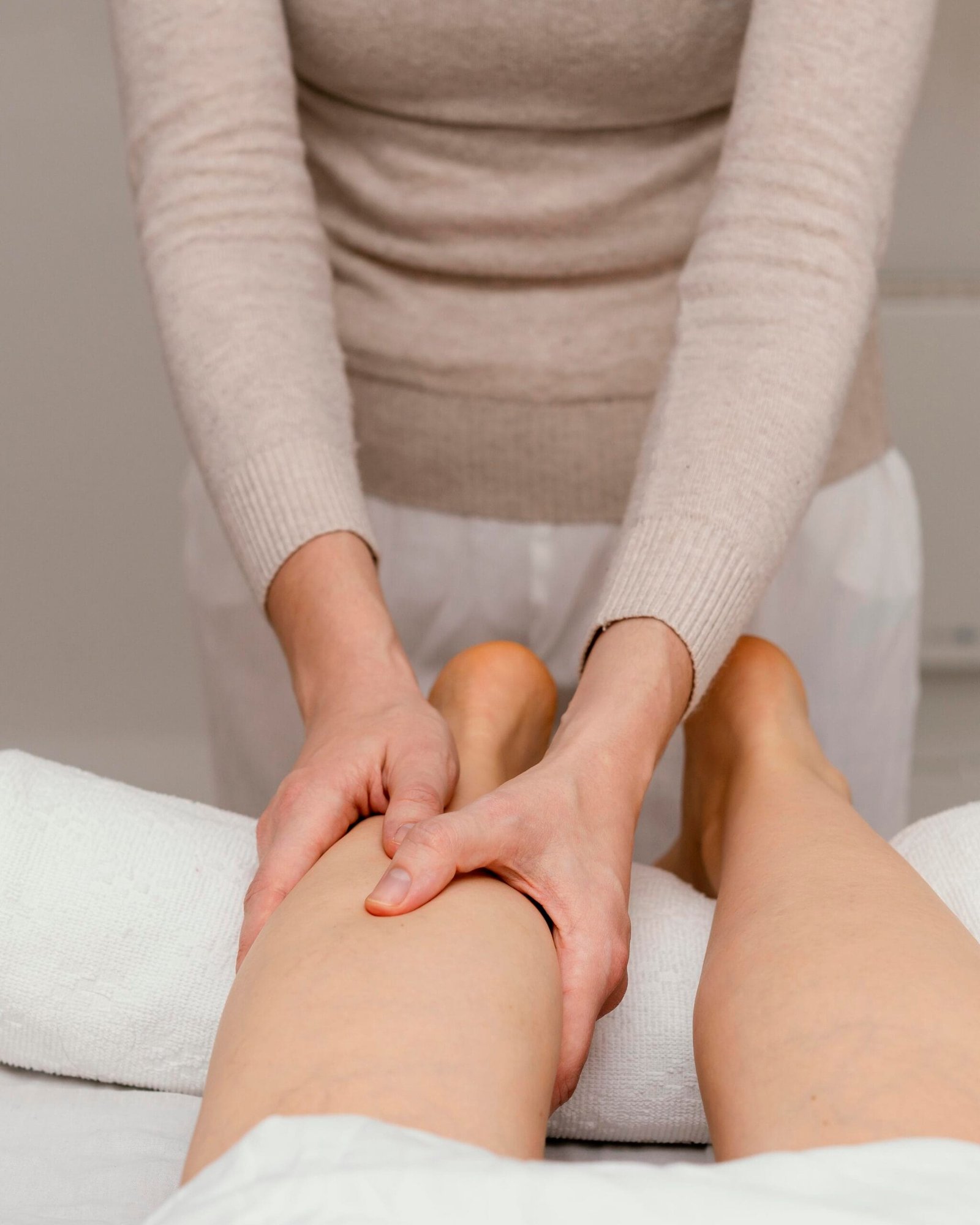
Lymphatic Drainage for Sportsmen in Gurgaon: The Recovery Edge Serious Athletes Are Using
Table of Contents
You train four mornings a week, eat clean, and take your performance seriously. But after a hard session on the padel court at DLF or a long cycling ride along the Golf Course Extension Road corridor, your legs feel heavier than they should the next day. The soreness lingers longer than it used to. You recover, but not quite fast enough to perform at the same level two days later. What most high-performance recreational athletes in Gurgaon have not yet factored into their routine is lymphatic drainage, and once they do, recovery changes significantly.
Training hard and recovering slow in Gurgaon? Talk to the team at Aesthetics Redefined by Cocoona on Golf Course Road. Message us on WhatsApp or call +91 9560801896 to book a sports recovery consultation.
Kabir Anand is 38, a private equity director based out of DLF Camellias who plays competitive amateur tennis at the Dlf Golf and Country Club three times a week and cycles on weekends with a group that meets near the Nirvana Country stretch. He eats well, sleeps adequately, and has a gym trainer. What was missing from his recovery stack was addressed in a single consultation at Aesthetics Redefined. The tightness in his calves and the sluggishness on the second training day of the week turned out to have a straightforward physiological explanation.
What Happens Inside Your Body After Intense Physical Activity
When you push your muscles hard, whether on the squash court at Paras Quartier or during a long swim at a club near Sector 56, two things happen beneath the surface. First, your muscles produce metabolic waste, primarily lactic acid and other byproducts of energy production. Second, microscopic muscle fibre tears trigger a controlled inflammatory response that is a normal part of getting stronger. Both of these need to be cleared from your muscle tissue efficiently for recovery to happen on schedule.
Your lymphatic system is the drainage network responsible for this clearance. It picks up the waste products and inflammatory fluid from your muscle tissue and carries them toward lymph nodes, where they are filtered out. When you train at high intensity multiple times a week, this system can fall behind. The fluid that should be clearing out stays in the tissue longer, which is what causes that deep, persistent heaviness and the prolonged soreness athletes describe as not quite going away.
How RF-Assisted Lymphatic Drainage Works for Athletes
RF-assisted lymphatic drainage uses a handheld radiofrequency device that delivers gentle controlled warmth into the subdermal layer, which is just beneath the surface of your skin. This thermal effect stimulates the lymphatic vessels to contract more actively, essentially waking up the drainage process and accelerating fluid clearance from overworked muscle tissue. Think of it as pressing the fast-forward button on your body’s natural waste removal system.
For athletes, sessions are typically focused on the legs, hips, and lower back, the zones that take the highest training load. The treatment is comfortable, non-invasive, and takes around 45 minutes. There is no downtime. Most athletes in Gurgaon schedule sessions the evening after a hard training day or on a rest day before their next competition.
| Sport or Activity | Primary Recovery Concern | How RF Drainage Helps |
|---|---|---|
| Tennis / Padel | Calf and thigh heaviness after court sessions | Clears lactic acid buildup and reduces muscle fatigue |
| Cycling | Lower limb fluid pooling from sustained effort | Restores venous and lymphatic return in legs |
| Golf (4+ rounds weekly) | Inflammatory buildup from repeated rotational load | Reduces periarticular fluid and joint heaviness |
| Swimming | Shoulder and upper back tightness | Stimulates lymphatic clearance in upper body zones |
| Running / Triathlon | Persistent leg heaviness between training days | Accelerates interstitial fluid clearance for faster readiness |
When to Schedule Sessions and How Many You Need
Unlike post-surgical recovery, athletes use lymphatic drainage as an ongoing performance tool rather than a short treatment course. The most effective approach depends on your training volume:
- Recreational athletes training 3 to 4 times a week: 1 session every 7 to 10 days maintains baseline clearance
- High-volume athletes in pre-competition blocks: 2 sessions per week in the final 10 to 14 days before an event
- Post-injury or post-surgery return to sport: structured course of 6 to 8 sessions before resuming full training load
Athletes from M3M Golf Estate, Emaar Marbella, and the DLF Phase 5 corridor who incorporate regular sessions report a measurable difference in how their legs feel on the second training day of the week, which is typically the hardest recovery window for anyone training consecutively.
The Clinical Expertise Behind the Protocol
Sports recovery at this level requires more than a standard wellness session. Dr. Kriti Lohia, India’s leading American Board Certified Regenerative Medicine Expert in Dermatology, designs each protocol at Aesthetics Redefined around the athlete’s specific sport, training load, and any existing musculoskeletal concerns. Sessions are adjusted based on where you are in your training cycle, whether that is a heavy block, a taper, or active recovery after an event.
Ready to make recovery part of your performance strategy? Visit Aesthetics Redefined by Cocoona on Golf Course Road. Connect on WhatsApp or call +919560801896 and book your sports lymphatic drainage session today.
You already invest in coaching, equipment, and nutrition. Recovery is the part of performance that most amateur athletes in Gurgaon underinvest in. A session that clears what your training leaves behind can be the difference between your best week and another plateau.
People Also Ask
How is lymphatic drainage different from a sports massage for muscle recovery?
A sports massage works primarily on muscle tissue, releasing tension and breaking up adhesions through direct pressure. Lymphatic drainage targets the fluid system that sits above and between the muscles, moving accumulated waste and inflammatory fluid out of the tissue toward the lymph nodes. The two approaches address different parts of the recovery process and work well together. Athletes with significant muscle tightness often benefit from a sports massage first, followed by lymphatic drainage to clear what the massage loosens up. Your clinician can guide the best sequence for your training pattern.
Does lymphatic drainage help with sports injuries or just general recovery?
It helps with both, but the application is different. For general recovery between training sessions, drainage reduces the cumulative fluid load that slows your readiness for the next session. For acute sports injuries such as ankle sprains, muscle strains, or post-surgical return to sport, targeted lymphatic drainage can significantly reduce swelling in the injured area and accelerate the early healing phase. It does not replace physiotherapy or medical treatment of the injury itself, but it supports the body’s repair process by keeping the drainage pathways clear. Always inform your clinician about any active injury before a session so the protocol is adapted appropriately.
