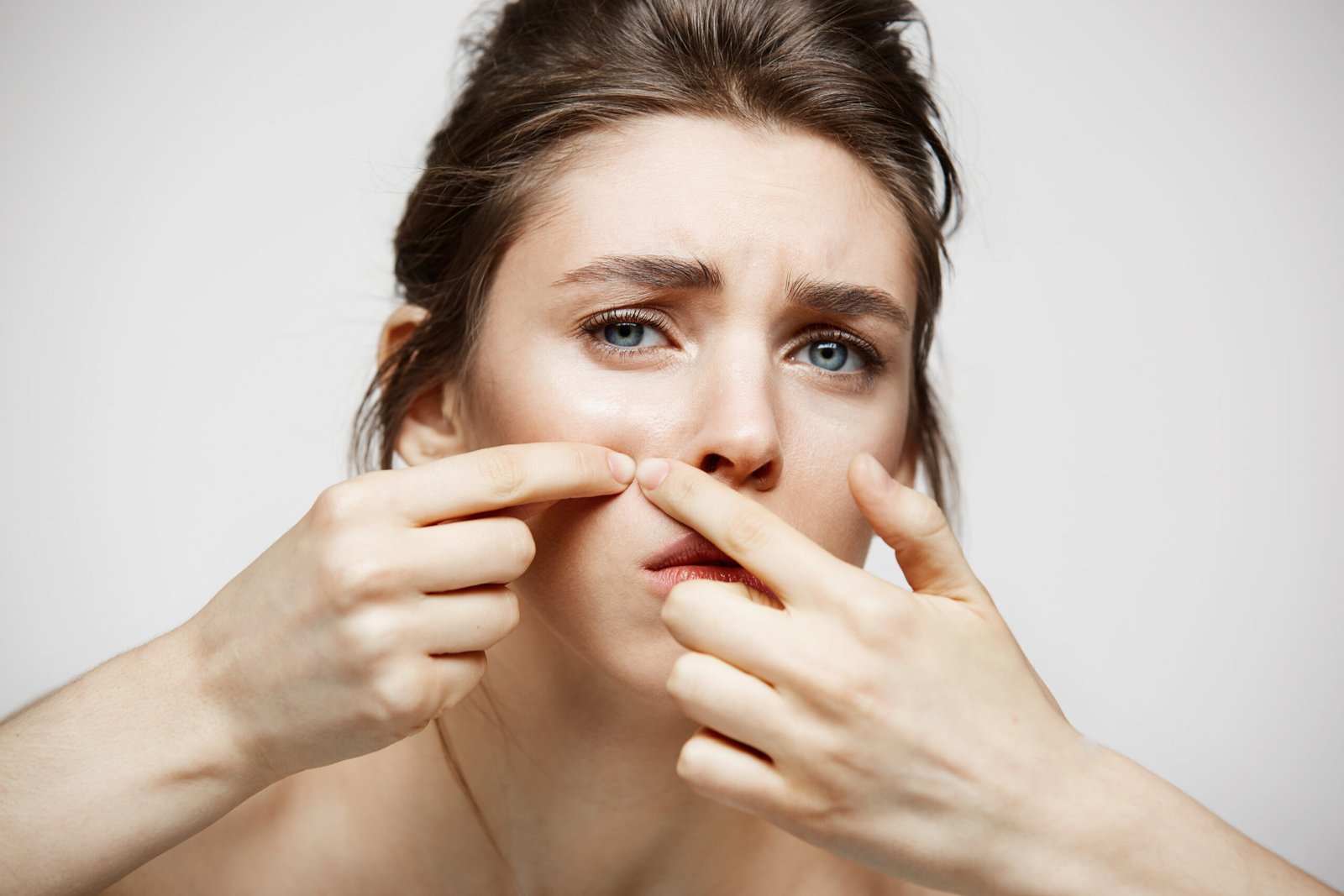
Gurgaon moves fast — long commutes, air thick with particulates, late nights in Cyber City, and a skincare routine that barely makes it past a quick face wash. For thousands of people across DLF, Sohna Road, and Sector 47–56, persistent breakouts are not a teenage memory but an ongoing daily reality. Whether you are 17 or 37, acne has a way of showing up at the worst moments and staying far longer than it should. At Aesthetics Redefined by Cocoona on Golf Course Road, Dr. Kriti Lohia and her team help you understand what is actually happening with your skin — and build a plan that addresses it at the root.
Book a consultation with Dr. Kriti Lohia
What Is Acne?
Acne is a chronic inflammatory skin condition of the pilosebaceous gland (a chronic disorder of the pilosebaceous unit — the hair follicle and its attached sebaceous gland — driven by excess sebum, abnormal keratin shedding, bacterial colonisation, and inflammation), that occurs when hair follicles become clogged with excess sebum and dead skin cells. When this blockage is shallow, it forms a blackhead or whitehead. Bacteria that normally live on the skin multiply in the blocked follicle and inflammation follows and the result is the red, tender, or pus-filled lesions most people call pimples. Acne is not simply a hygiene issue — it is a condition rooted in biology, physiology, hormones, and environment, which is why washing your face more often rarely solves it. Infact , in some cases, it may even worsen it.
Acne ranges from mild (a few non-inflamed comedones) to moderate (a mix of blackheads, papules, and pustules) to severe (nodules, cysts, and the scarring that can follow). Very rarely, it can even be life threatening i.e acne fulminans. Understanding where you sit on that spectrum matters, because it determines whether over-the-counter products are sufficient or whether medical intervention is needed.
Note: If acne has already left behind pitted marks, raised tissue, or persistent dark patches, that is a separate concern. Visit our dedicated Acne Scars page for what is involved in scar management.
What Causes Acne?
Acne rarely has a single cause. Hormones are the most well-known trigger: androgens, which surge during puberty and fluctuate through the menstrual cycle, PCOS, and periods of high stress, directly stimulate the sebaceous glands to overproduce oil. More oil means more opportunity for pore blockages and bacterial growth.
In Gurgaon, environmental conditions compound the problem in ways most people underestimate. The city’s PM2.5 pollution levels — consistently among the highest in India — deposit particles on skin throughout the day, blocking pores, disrupting the skin barrier, and amplifying inflammation. Hard water, common across residential sectors from Nirvana Country to Dwarka Expressway, strips the skin’s natural moisture balance and worsens congestion over time.
Diet, stress, certain medications, and genetics complete the picture. The relentless pace of corporate life in Cyber City and Udyog Vihar elevates cortisol, which drives excess oil production. For many adults in Gurgaon, breakouts are not leftover from adolescence — they are an ongoing response to how the city lives and how they live in this city. Beyond pollution and water quality, everyday chemical exposure adds another layer. Plastics widely used in single-use bottles, food containers, and packaging release bisphenols (BPA, BPS) and phthalates into food and water. These compounds act as endocrine disruptors — interfering with hormone signalling at the cellular level — and are increasingly linked to sebum dysregulation and acne flares, particularly in hormonally sensitive individuals. The shift toward an urbanised, convenience-driven lifestyle — characterised by high plastic use, processed food, and constant screen exposure — compounds chemical and hormonal load in ways that make Gurgaon’s residents disproportionately susceptible to adult-onset acne.
Signs & Symptoms of Acne
Acne looks different depending on how deep the follicular blockage is and how much inflammation is involved. Identifying what you are dealing with helps gauge severity and decide when to seek help.
Blackheads (open comedones): Small dark spots, most common on the nose and chin, where a clogged pore has oxidised on contact with air. The dark colour is from melanin reacting with oxygen — not from dirt or poor hygiene.
Whiteheads (closed comedones): Small, flesh-coloured bumps where the pore opening is sealed. They cluster on the forehead and cheeks and sit just below the skin surface.
Papules: Small, firm red bumps with no visible pus. They feel tender to touch and signal early inflammation. Squeezing papules typically worsens both the inflammation and scarring risk.
Pustules: What most people picture when they say pimple — a red base topped by a visible white or yellow pus head, indicating active bacterial infection within the follicle.
Nodules: Larger, solid lumps that sit well below the skin surface and feel hard and painful when pressed. Nodules are a severe form of acne and prone to leaving scars if left untreated.
Cysts: The most severe presentation — large, soft, pus-filled lumps deep in the skin, often painful without being touched. Cystic acne carries the highest risk of permanent scarring and almost always requires professional care.
In Gurgaon’s climate, heat and humidity through the monsoon season frequently intensify breakouts, and pollution-driven congestion can turn mild comedone-only acne into inflamed pustules quickly. If your skin is flaring in ways that feel new or more aggressive than usual, the trigger may be environmental rather than something within your routine.
Treatments at Aesthetics Redefined
| Treatment | Best For | What It Does |
|---|---|---|
| Chemical Peels | Mild to moderate acne, blackheads, whiteheads | Exfoliates congested pores, clears active lesions, and smoothens skin texture across sessions |
| Carbon Laser Peel | Oily, acne-prone skin with active breakouts | Kills acne-causing bacteria, reduces sebum overproduction, and clears blocked pores with minimal downtime |
| Medi Facials | Mild acne, congestion, and sensitised skin | Clinical-grade deep cleansing with active ingredient delivery tailored to acne-prone skin |
| Comedone Extraction | Active comedones (blackheads, whiteheads); congested skin prone to breakouts | Clinical extraction using non-traumatic equipment removes trapped sebum from follicles, reducing bacterial load, preventing lesion progression, and eliminating the urge to self-squeeze — thereby protecting against collagen damage and scarring |
| Prescription Topicals & Oral Therapy | All grades — especially hormonal and persistent adult acne | Doctor-prescribed retinoids, antibiotics, or hormonal regulators targeting biological root causes |
| Acne Scar Revision | Post-acne scarring and pitting (see separate page) | Laser, subcision, and resurfacing to address marks left after active acne is brought under control |
All plans at Aesthetics Redefined are customised following a thorough skin assessment by Dr. Kriti Lohia and her team. No treatment is recommended without proper evaluation of your skin type, acne grade, and individual triggers.
Why Home Remedies Often Fall Short
Toothpaste, neem paste, turmeric and honey, aloe vera — these are the first steps most people try, and for occasional mild pimples, some may offer temporary soothing. The problem is that home remedies work at the skin surface, not at the level of the sebaceous gland, the bacterial load, or the hormonal signal driving the breakout.
Concentrated toothpaste and lemon juice — widely recommended online — have a pH that actively damages the skin barrier, making congestion worse over time. Neem and turmeric carry mild antimicrobial properties but cannot regulate sebum production or clear a blocked follicle. In skin types common across North India, repeated application of occlusive home treatments on inflamed skin can also trigger post-inflammatory darkening that outlasts the original breakout.
Without identifying the underlying trigger, eliminating it where possible, and following a treatment plan that addresses the actual pathophysiology of the breakouts, home remedies and over-the-counter experiments simply fall short — and in some cases make the acne noticeably worse. The real cost of persisting with ineffective home care is delay: every week of untreated nodular or cystic acne increases the risk of permanent scarring — shifting the conversation from clearing breakouts to revising the damage they leave behind.