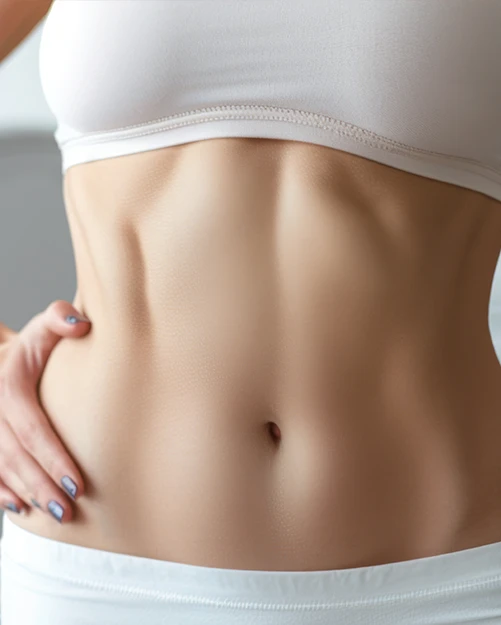
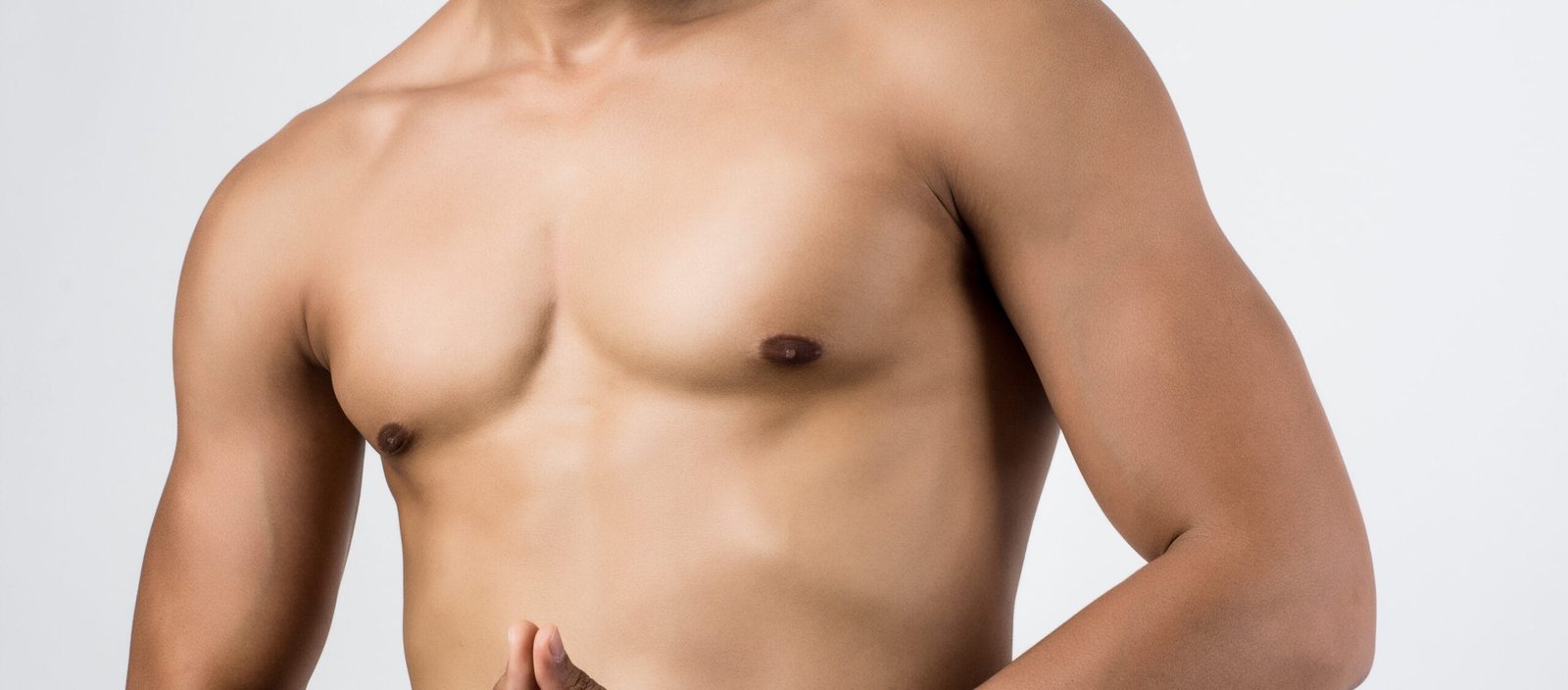
Liposuction is one of the most popular cosmetic procedures worldwide. It helps remove stubborn fat that does not respond to diet or exercise.and often acts like an endocrine organ that tries to protect itself. This treatment works best for areas like the abdomen, thighs, hips, arms, and even under the chin.
At Aesthetics Redefined by Cocoona in Gurugram (Gurgaon), we perform advanced liposuction surgery in Gurgaon with precision and care. Every treatment is personalized, ensuring you achieve natural-looking results while boosting your confidence.
Common Areas Treated – Liposuction Surgery in Gurgaon
| Lowest Industry Price(INR) | Highest Industry Price(INR) | ARD Average Price Range(INR) | Unit |
|---|---|---|---|
| ₹80000 | ₹500000 | Custom Consultation | Per Procedure |

Advantages of Liposuction:
People choose liposuction because it delivers targeted body contouring. Unlike weight loss treatments, it focuses on specific fat pockets.
In addition, our clinic also specializes in mommy makeover procedures, often combining liposuction with tummy tuck or breast surgery or cosmetic gynaecological procedures for complete transformation.
A saline and anesthetic solution makes fat removal smoother and safer.
Breaks down fat cells using ultrasound, ideal for delicate areas.
Melts fat with laser energy while tightening skin.
Uses a vibrating cannula for quicker, less invasive extraction.
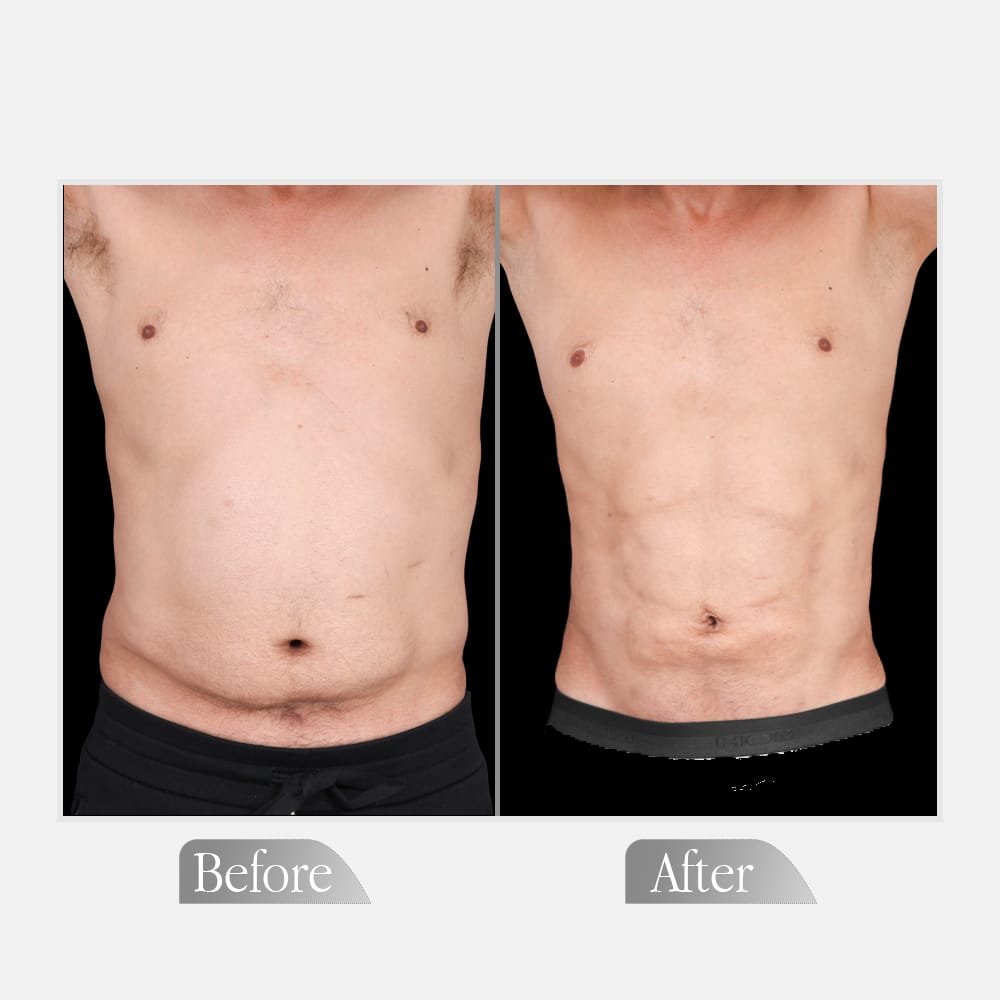
State-of-the-art ultrasound tech for full-body sculpting and six-pack contouring.
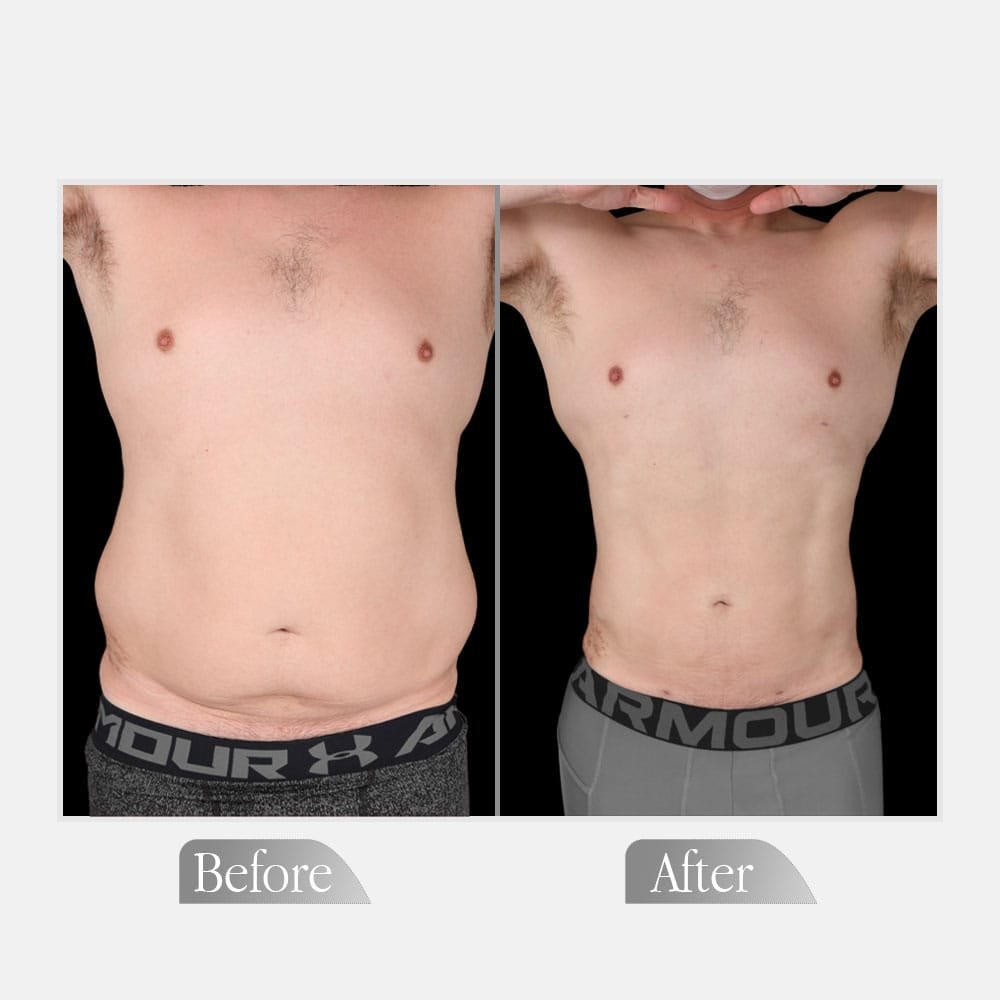
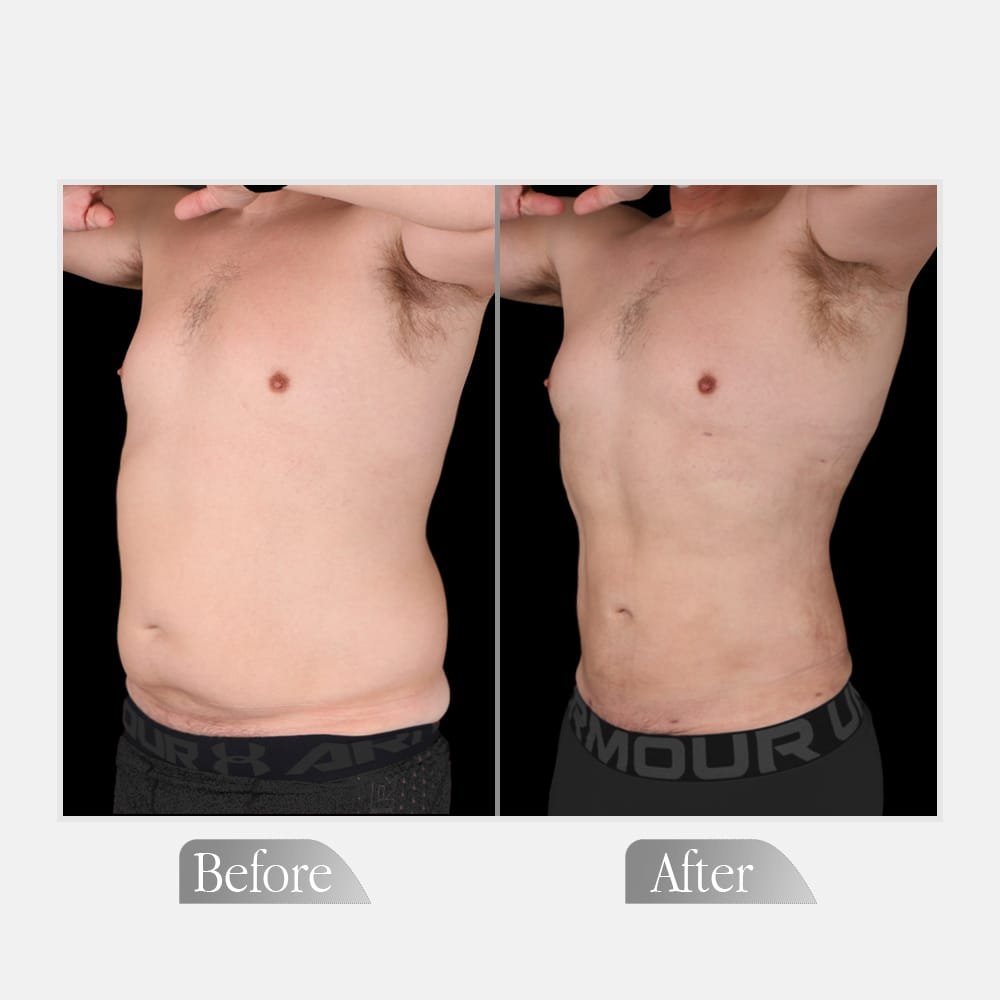
Comprehensive fat removal for overall balance.
Defines abdominal muscles for a toned look.
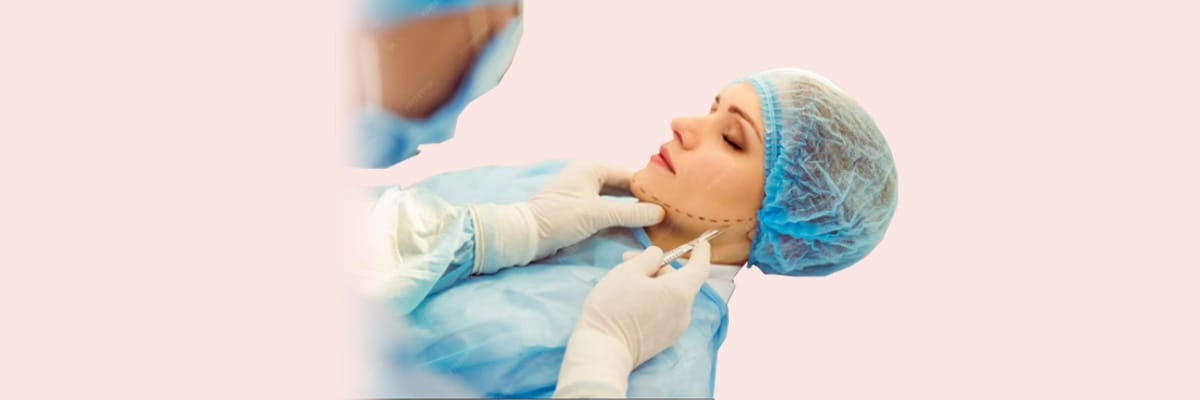
Refines jawline and removes double chin.
Smooths and slims inner or outer thighs.
A thorough consultation helps evaluate suitability, minimize risks, and set realistic expectations.
Dr. Sanjay Parashar is a celebrity consultant plastic surgeon with more than thirty years in aesthetic and reconstructive surgery and a record of over 40,000 surgical procedures. He has practised and trained across India, Bahrain, the United States, Australia and the UAE, and founded Cocoona Centre for Aesthetic Transformation in Dubai. At Aesthetics Redefined by Cocoona in Gurugram, he leads the plastic surgery practice.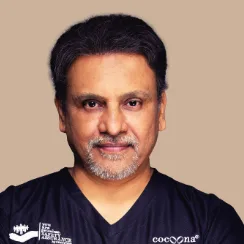
Dr. Sanjay Parashar
Consultant Plastic Surgeon · Co-founder & Plastic Surgery Lead
Dr. Kriti Lohia is a consultant aesthetic dermatologist and dermatosurgeon with more than a decade in practice and over 15,000 aesthetic dermatological procedures performed. She is India's first American Board-Certified Regenerative Medicine Expert in Dermatology, and the first doctor in North India to bring regenerative medicine into routine dermatological and hair practice.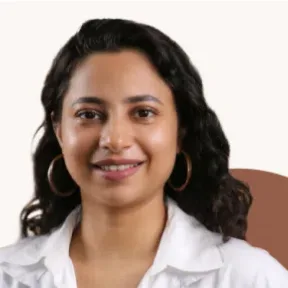
Dr. Kriti Lohia
CEO & Medical Director · Consultant Aesthetic Dermatologist & Dermatosurgeon
With over 25 years of overall medical experience, Dr. Ashutosh Mishra combines global surgical precision with an artistic vision to deliver natural-looking aesthetic outcomes and comprehensive reconstructive transformations.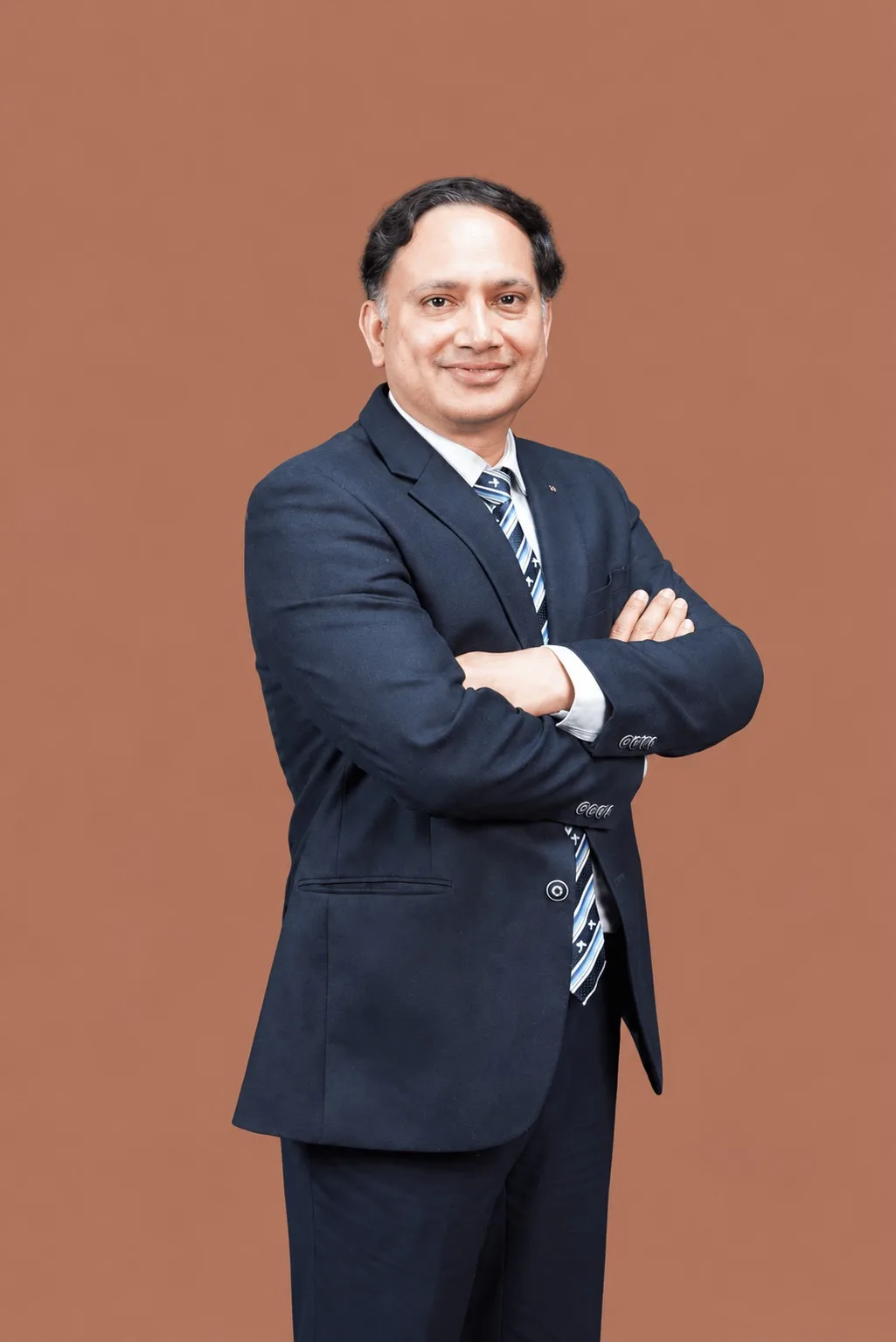
Dr. Ashutosh Mishra
Senior Consultant Plastic, Reconstructive & Cosmetic Surgeon
An AIIMS-trained specialist combining rigorous surgical expertise with an international fellowship foundation to deliver safe, natural-looking, and function-restoring aesthetic outcomes.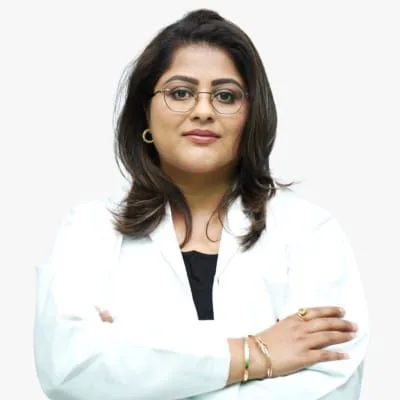
Dr. Sharmistha Bhattacharyya
Senior Consultant Plastic, Reconstructive & Aesthetic Surgeon
For Non-Resident Indians (NRIs) traveling from the US, UK, Canada, Australia, UAE, and the Middle East, choosing a board-certified plastic and cosmetic surgeon at Aesthetics Redefined in Gurugram for Liposuction and Body Contouring guarantees elite, international standards of care and consistent results. Managing stubborn fat pockets requires advanced, high-definition tissue sculpting like VASER liposuction, which demands a certified specialist’s precision to achieve smooth, athletic contours while prioritizing patient safety. Backed by the global aesthetic legacy of Cocoona and the pioneering expertise of Dr. Sanjay Parashar and his surgeons team, our Golf Course Road clinic offers a seamless medical tourism experience. From digital pre-consultations to structured rapid-recovery protocols, we ensure our global patients can comfortably fit a body transformation into their limited travel itinerary.
Didn’t see the answer to your question? No worries, just write to us! We’re always here to help you breeze through your doubts. Consult Our team of expert skin specialists, certified dermatologists and suregons at our clinic in Gurgaon.
There is no cut-off. Skin elasticity matters far more than age: younger skin retracts more readily over a treated area, while skin that has lost elasticity may not, leaving a looser rather than smoother contour. In that situation liposuction alone can disappoint, and a skin-tightening procedure or an excisional operation may be the better plan. We assess skin quality by examination rather than by your date of birth.
Yes, when performed by a qualified, board-certified plastic surgeon in an accredited facility, liposuction is considered safe and effective.
The fat cells removed are gone permanently; they do not grow back. The cells remaining elsewhere can still enlarge if you gain significant weight, which is why some people notice that later weight gain sits differently than it used to. This is not the fat “moving”; it is the untreated areas having proportionally more cells left to expand. Keeping your weight broadly stable is what protects the result, and modest fluctuations of a few kilos will not change it.
A balanced diet rich in protein, fruits, vegetables, and adequate hydration supports healing and recovery.
Swelling, bruising and a deep muscular soreness in the treated areas for the first one to two weeks. You will wear a compression garment continuously, including at night, for about four weeks, then during the day for another two; this is not optional, and how well you wear it genuinely affects how smooth the final contour is. Most people return to desk work within a few days to a week and to full exercise at four weeks. Expect patchy numbness over the treated areas for several weeks to a few months, which is normal and resolves. Lymphatic massage from around week two helps swelling settle.
No, and this is one of the most common mix-ups. Liposuction is a body contouring procedure designed to remove localised fat pockets that haven’t responded to diet and exercise, it isn’t meant to produce major weight loss or replace a healthy lifestyle. Patients who do best with liposuction are already close to their target weight and simply want to refine specific areas. If significant weight loss is the goal, that needs to be addressed separately before liposuction is even considered.
Start with the qualification: in India a plastic surgeon holds an MCh or DNB in Plastic Surgery on top of a general surgical qualification and is registered with the NMC, which you can verify yourself on the register. “Cosmetologist” and “cosmetic surgeon” are not protected titles. Then ask about the setting and the plan: is the surgery in a licensed operating theatre with a consultant anaesthetist; what volume limit applies to your case and would it need staging; which technique and why. Ask to see anonymised results at consultation from patients with a similar body type. A surgeon who discusses volume limits unprompted is telling you something useful.
You will see a change within the first couple of weeks, but swelling hides much of it. Most patients see a clear improvement by six to eight weeks, and the final settled contour at around three months, occasionally longer for the abdomen. Two things determine how good that final shape is: wearing the compression garment as instructed through the first six weeks, and keeping your weight stable afterwards. Neither is within our control on the day of surgery, which is why we spend time on both.
It really comes down to what’s causing the problem. If your main issue is stubborn fat and your skin still has good elasticity, liposuction alone can give you a nicely contoured result. If you also have loose, sagging skin or weakened abdominal muscles, especially common after pregnancy or major weight loss, a tummy tuck addresses that in a way liposuction simply can’t. Many patients actually need a combination of both, which your surgeon can confirm after examining your abdomen.
Yes, and lipoabdominoplasty in particular is a standard operation rather than an add-on. One point worth understanding: combining procedures is also what raises risk most in liposuction, because it increases both operating time and total tissue trauma. So combinations are planned within limits on total volume and theatre time, and only where your health, tests and BMI support a single longer procedure. Sometimes the right answer is to stage the operations a few months apart, and we will say so if that applies to you.
It is a safe operation when three things are controlled, and the record of the cases that have gone badly wrong points to the same three every time. Volume: removing too much in one sitting is the main driver of serious complications, which is why there is a limit and why larger plans are staged. Setting: a licensed operating theatre with a consultant anaesthetist and monitoring, not a clinic room. And combination: adding other operations to a large liposuction raises risk considerably, so combinations are assessed rather than assumed. Ask any clinic you are considering about all three; the answers tell you more than any before-and-after gallery.
No to both, and it is better to know now. Cellulite is caused by fibrous bands tethering the skin to deeper tissue, not by the volume of fat above them, so removing fat does not release the dimpling and can occasionally make it more visible. Stretch marks are damage within the skin itself and are unaffected. There are treatments for both, including targeted release techniques for cellulite and microneedling or laser for stretch marks, which our dermatology team can discuss. Liposuction changes your shape; it does not change your skin.
About four weeks continuously, including at night, then a further two weeks during the day. It is uncomfortable at first and it is the aftercare instruction that most affects your final result, because it controls swelling and helps the skin settle evenly onto the new contour. You can remove it to shower. We provide the first garment and will fit a second, smaller size as the swelling reduces, usually at around three weeks. If you are planning surgery around an event, allow for six weeks of garment wear in that calculation.
Some unevenness is normal in the first weeks while swelling is settling and is not the final result. A genuine contour irregularity, a dip, a ridge or a difference between the two sides, is the commonest reason for a touch-up after liposuction, and it is more likely in thin patients, in areas treated superficially and where the compression garment was not worn as instructed. We assess the contour at three months, not before. Minor irregularities can often be corrected with a small revision or fat grafting under local anaesthetic.
Yes, fat harvested during liposuction can be purified and transferred to the face, hands or breasts, and using your own tissue avoids any implant. Two honest caveats. Some of the transferred fat is reabsorbed in the first few months, typically a third or more, which is expected and allowed for in the volume placed. And we do not offer buttock fat transfer, because injection into or near the gluteal muscle carries the highest mortality of any cosmetic procedure and the safety margin is not one we are prepared to work within.
Tumescent is the foundation of all modern liposuction: dilute local anaesthetic and adrenaline are infiltrated into the fat first, which reduces bleeding and makes removal smoother. VASER adds ultrasound to loosen fat before removal, which helps in fibrous areas such as the male chest and back and in more detailed sculpting. Laser-assisted devices melt fat with laser energy; the skin-tightening effect they are marketed on is modest and not consistently demonstrated, so we would not choose a technique on that basis. High-definition sculpting is possible but is a demanding procedure with a higher revision rate, and we will be honest about whether your body suits it. Your surgeon will recommend the technique that fits your goals, the area being treated, and your skin quality.
Each needs assessment and none is automatically a no, but a clotting history changes the plan materially. Clots in the legs or lungs are the serious risk in body contouring surgery, so a personal or family history of clots, or being on the contraceptive pill or hormone replacement, must be disclosed; we may ask you to stop hormonal medication before surgery and use blood-thinning medication around it. Diabetes needs good control for healing. Bring a full list of medicines and supplements, including anything herbal, aspirin and fish oil.
Short domestic flights from about a week, and long-haul from two to three weeks. The reason is clot risk rather than the wounds: prolonged immobility after surgery on the legs, abdomen or hips is exactly the situation that provokes a deep vein thrombosis. When you do fly, wear your compression garment, wear flight stockings, walk the cabin hourly and stay hydrated. If you are travelling from outside NCR for surgery, plan on 7 to 10 days here so we can review you before you leave.
Liposuction works well on the abdomen and waist, thighs and hips, arms, back, buttocks, and even the neck and chin for that stubborn double-chin fat. Male chest contouring for gynaecomastia is a different operation from simple liposuction, because glandular tissue usually has to be removed as well as fat, and liposuction alone leaves the firm disc behind the nipple untouched. Many patients treat more than one area in the same sitting, and some opt for a 360-degree approach that contours the entire midsection in one go. Which areas make sense for you depends on where your fat sits and how your skin responds, which is exactly what your consultation is for.
You are likely a candidate if you are within roughly 5 to 10 kg of your target weight, have held it steady for a few months, and have discrete fat pockets that diet and exercise have not shifted. We generally operate at a BMI under 30; above that the risks rise and the contour result is less predictable, so we would discuss weight management first. Skin quality matters as much as the fat: pinch the area and let go, and if the skin springs back you will get a smooth result. We also need you off nicotine for four weeks either side of surgery.
360 liposuction treats the whole midsection, front, flanks and back, so the result is proportionate from every angle rather than sculpted from one. It suits patients wanting a complete waist-to-hip change rather than a single-area refinement. It is also a larger procedure: more areas means more fat removed and longer operating time, which is what drives risk in liposuction. For that reason a 360 case may be planned as an overnight stay, may need to be staged rather than done in one sitting, and will not be combined with other surgery unless your health clearly supports it.
A single small area can take under an hour; a full 360 procedure runs several hours. Small areas can be done under local anaesthetic with sedation; larger cases are done under general anaesthesia administered by a consultant anaesthetist, in a licensed operating theatre with full monitoring. Most patients go home the same day. Where a larger volume of fat is removed we will keep you overnight, not as a formality but because fluid balance and observation genuinely matter after a bigger case. You will need an adult with you for the first 24 hours.
The common ones are bruising, prolonged swelling, patchy numbness, fluid collection under the skin, and contour irregularity or asymmetry, which is the commonest reason for a touch-up. The serious ones are uncommon but are the reason this operation belongs in a proper theatre: clots in the legs or lungs, which we reduce with compression, early mobilisation and, where indicated, blood-thinning medication; complications of removing too much fat in one sitting, which is why we cap volume and stage larger cases; and local anaesthetic toxicity, which is why the tumescent dose is calculated against your body weight rather than by eye. Combining liposuction with other operations raises risk, so combinations are assessed rather than assumed.
Most patients describe the first few days as more sore and tight than sharply painful, similar to a deep muscle ache after an intense workout, and it’s well controlled with prescribed medication. The compression garment can feel uncomfortable initially but genuinely helps with swelling and shaping. By the end of the first week, most people are back to light routines, and the more noticeable discomfort tends to fade within 10 to 14 days.
There is a real limit and it is not negotiable by request. Around 5 litres of fat and fluid removed in one sitting is the accepted threshold above which a case is treated as large-volume, needing closer fluid monitoring and normally an overnight stay. The local anaesthetic used in the tumescent solution is also dosed against your body weight, which independently caps how much can be treated safely at once. If what you want exceeds those limits, the correct answer is to stage it across two operations a few months apart, not to do more in one day. Any clinic offering unlimited areas in a single sitting is describing a commercial package, not a surgical plan.
Not on its own. Liposuction is built to remove fat, not to tighten skin, so if you’ve lost a lot of weight and have noticeably loose, sagging skin, liposuction alone usually won’t give you the tight, contoured look you’re after. In these cases, a skin-tightening procedure or a combined surgery like a tummy tuck is often recommended alongside or instead of liposuction. Your surgeon can assess your skin quality and suggest the right combination for your goals.
Just as common. The commonest male areas are the abdomen and flanks, the chest, and the chin and neck, and the goal is usually a flatter, more defined line rather than an hourglass shape. Male fat is often more fibrous, which is where ultrasound-assisted technique helps. One important distinction: male chest fullness is frequently gynaecomastia, where firm glandular tissue sits behind the nipple. Liposuction alone will not remove that disc of tissue, so it needs a small excision alongside; a clinic offering liposuction alone for a true gynaecomastia is likely to leave you disappointed
Worth asking: Am I a candidate for liposuction, or do I need skin removal as well? How much fat do you expect to remove, and does that put me over the large-volume threshold? Would you stage this rather than do it in one sitting? Which technique for my areas, and why? Where is the surgery performed and who gives the anaesthetic? How long in the compression garment? What are my specific risks? And if the contour needs a touch-up, what does that involve and what does it cost? Bring the list.
Aesthetics Redefined by Cocoona is now the only Cocoona clinic in Gurugram and Delhi NCR, serving patients across Delhi NCR with dermatologist-led regenerative skin, hair, wellness and plastic surgery treatments on Golf Course Road. The clinic brings together Dr. Kriti Lohia, India's leading American Board Certified Regenerative Medicine Expert in Dermatology, and Dr. Sanjay Parshar, a renowned name in plastic and cosmetic surger , offering patients access to combined dermatological and surgical expertise trusted not only across Gurgaon, Delhi NCR but also across India and overseas.
Contact: Aesthetics Redefined, 3rd Floor, 26/12D, Flat No: A, Golf Course Rd, Sector 28, DLF Phase 1, Gurugram, Haryana
122002.
Landmark: Near Mega Mall.
Disclaimer: The content and videos/ images displayed are for educational and awareness purposes only and not a medical recommendation. The site contains AI generated images also and such images are maked with "AI generated". All patients images/ videos used are actual images/ videos and with specific consent of the patient. Medical Disclaimer