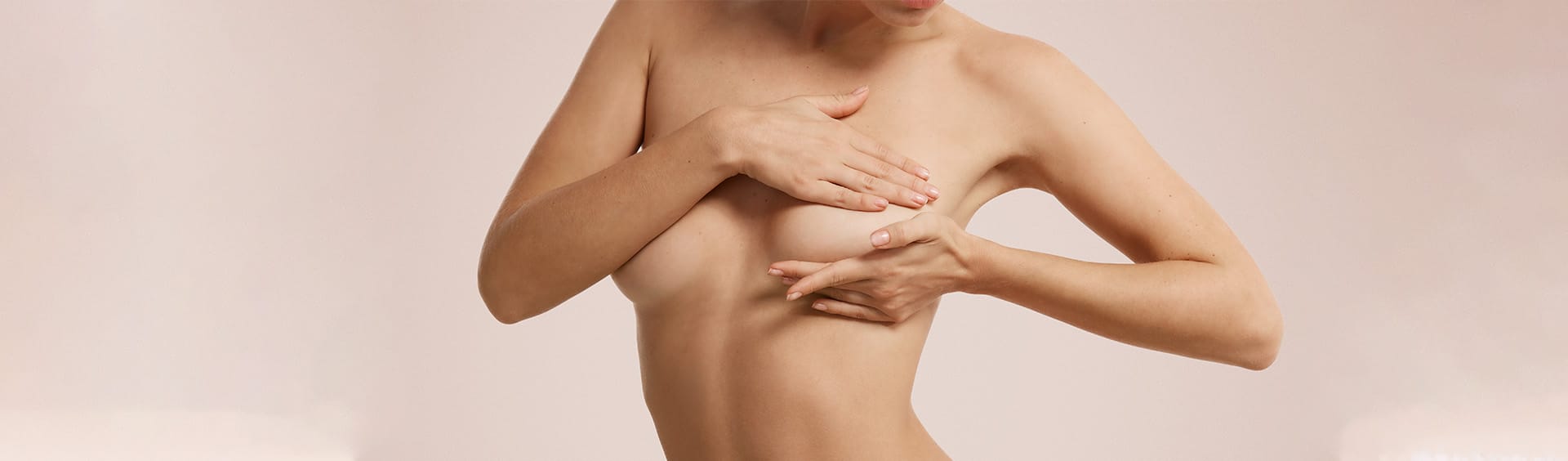
Breast augmentation surgery helps you enhance the size, shape, and symmetry of your breasts. The procedure uses implants or fat transfer breast augmentation to give you fuller, natural-looking breasts that complement your body proportions and aesthetic goals.
Why Women Choose Breast Augmentation
| Lowest Industry Price(INR) | Highest Industry Price(INR) | ARD Average Price Range(INR) | Unit |
|---|---|---|---|
| ₹120000 | ₹500000 | Custom Consultation | Per Procedure |
You may be a good candidate if:
Benefits
Types of Breast Augmentation
You can choose from:


Dr. Sanjay Parashar is a celebrity consultant plastic surgeon with more than thirty years in aesthetic and reconstructive surgery and a record of over 40,000 surgical procedures. He has practised and trained across India, Bahrain, the United States, Australia and the UAE, and founded Cocoona Centre for Aesthetic Transformation in Dubai. At Aesthetics Redefined by Cocoona in Gurugram, he leads the plastic surgery practice.
Dr. Sanjay Parashar
Consultant Plastic Surgeon · Co-founder & Plastic Surgery Lead
Dr. Kriti Lohia is a consultant aesthetic dermatologist and dermatosurgeon with more than a decade in practice and over 15,000 aesthetic dermatological procedures performed. She is India's first American Board-Certified Regenerative Medicine Expert in Dermatology, and the first doctor in North India to bring regenerative medicine into routine dermatological and hair practice.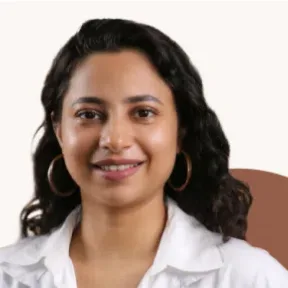
Dr. Kriti Lohia
CEO & Medical Director · Consultant Aesthetic Dermatologist & Dermatosurgeon
With over 25 years of overall medical experience, Dr. Ashutosh Mishra combines global surgical precision with an artistic vision to deliver natural-looking aesthetic outcomes and comprehensive reconstructive transformations.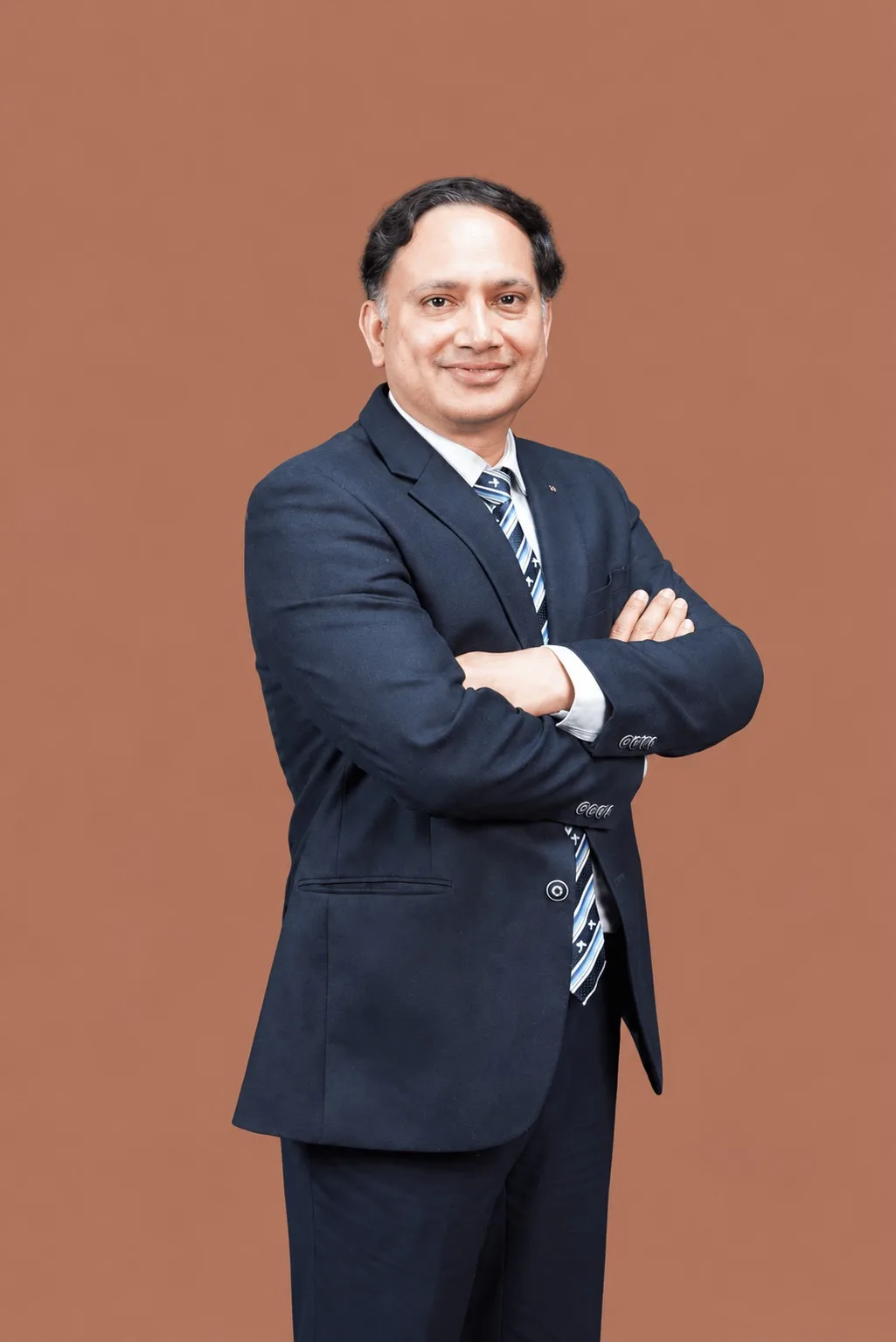
Dr. Ashutosh Mishra
Senior Consultant Plastic, Reconstructive & Cosmetic Surgeon
An AIIMS-trained specialist combining rigorous surgical expertise with an international fellowship foundation to deliver safe, natural-looking, and function-restoring aesthetic outcomes.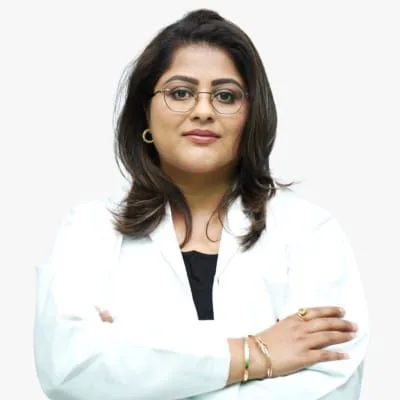
Dr. Sharmistha Bhattacharyya
Senior Consultant Plastic, Reconstructive & Aesthetic Surgeon
Proportion First: Focus on breast shape and size that complement your natural body proportions.
Personalised Approach: Treatment planning based on your anatomy, preferences and goals.
Symmetry & Precision: Careful planning to achieve balanced, proportionate results.
Implants or Fat Grafting: Guidance on suitable breast augmentation options for your individual needs.
Natural-Looking Results: Aim for results that complement your body and overall appearance.
Safety First: Emphasis on patient suitability, surgical planning and informed decisions.
Clear Expectations: Understand the procedure, recovery and potential outcomes before surgery.
Long-Term Planning: Discuss implant maintenance where applicable and considerations for lasting results.
For NRIs residing in Singapore, the UAE, the US, Canada, and the UK, selecting a board-certified plastic surgeon at Aesthetics Redefined for Breast Augmentation ensures access to premium, US-FDA approved cohesive gel implants and cutting-edge surgical environments. A certified specialist’s expertise is essential to tailoring implant placement, volume, and incision choices perfectly to your unique body frame and lifestyle. Our Gurgaon clinic offers international patients a highly personalized experience, blending top-tier medical artistry with strict safety protocols. This ensures beautifully natural, proportionate results and a smooth, predictable healing timeline that fits neatly into a standard overseas vacation leave.
Didn’t see the answer to your question? No worries, just write to us! We’re always here to help you breeze through your doubts. Consult Our team of expert skin specialists, certified dermatologists and suregons at our clinic in Gurgaon.
Implant volume is measured in cubic centimetres (cc), not cup sizes, because the same implant produces a different cup size depending on your existing tissue, chest width and skin elasticity. At consultation we use sizers so you can see and feel an approximate result in different volumes, and we measure your chest width, breast base and skin quality to keep the choice within what your frame can safely and naturally support. Going larger than your tissue can cover raises the risk of stretching, rippling and a less natural result over time, so we will tell you plainly if a requested size is not a good fit for your body.
Cost depends on whether you choose implants or fat transfer, the type and brand of implant, and whether the surgery is combined with a lift or other procedure. At our Gurgaon clinic, we share a personalised quote after your consultation and breast examination, since two patients with different anatomy and goals rarely need the identical surgical plan.
There is no fixed age; what matters is that breast development is complete, typically by the late teens, and that you are in good general health with settled, realistic expectations. Most of our augmentation patients are in their twenties through forties, including many who come in after finishing breastfeeding, and healthy patients beyond that range do well too after a proper assessment.
With the right size for your frame, the right implant type for your skin thickness, and correct placement, most patients achieve a result that looks and moves naturally, especially at rest and in clothing. The most common cause of an obviously “done” look is choosing an implant size larger than the chest and tissue can properly support, which is exactly why sizing conversations at consultation matter as much as the surgery itself.
Fat transfer is best suited to a modest, natural-looking increase, typically up to one cup size, since only a limited volume of fat can be safely injected into breast tissue in one sitting without compromising blood supply. If you are hoping for a larger, more dramatic increase, implants are usually the more realistic route, though a combination of a smaller implant with fat grafting over the top for extra softness is sometimes an option we discuss at consultation.
Look for a clinic led by board-certified plastic surgeons operating in a licensed theatre with a qualified anaesthetist, a consultation that physically examines your breasts and chest wall rather than relying on photos alone, and a written quotation that itemises the implant brand, surgeon’s fee and facility charges. At Aesthetics Redefined by Cocoona in Gurgaon, breast augmentation is performed by experienced, board-certified surgeons with a strong track record in natural-looking body contouring.
You are likely a good candidate if you have naturally small or underdeveloped breasts, have lost volume after pregnancy, breastfeeding or weight loss, or have mild asymmetry between the two sides. We look for stable weight, good general health, no active breast disease, and realistic expectations about size and shape. Smokers are asked to stop for four weeks either side of surgery, since nicotine affects healing around the implant pocket. A detailed consultation, including a breast examination and sizing trial, confirms whether implants, fat transfer, or a combination suits your anatomy best.
Implants, silicone or saline, give a predictable, often larger increase in size in a single sitting and hold their shape indefinitely. Fat transfer harvests your own fat from areas like the abdomen or thighs, purifies it, and re-injects it into the breast for a softer, more subtle increase, usually one cup size or a little more. Important caveat: fat transfer depends on having enough donor fat to work with, and roughly a third of the transferred volume is typically reabsorbed over the following months, so the final result is smaller than what is injected. Your surgeon will tell you honestly which approach, or combination, fits the change you actually want.
Silicone implants are pre-filled with a cohesive gel that feels closer to natural breast tissue and are the more commonly chosen option today. Saline implants are filled with sterile salt water after placement, which allows a smaller incision and lets the surgeon fine-tune volume slightly during surgery, but they can feel firmer and are more prone to visible rippling in thin patients. Neither is universally better; the right choice depends on your skin thickness, how much natural tissue you have to cover the implant, and your own preference after seeing and feeling both types at consultation.
Placing the implant under the chest muscle (submuscular) gives more soft tissue coverage over the top of the implant, which usually means a more natural slope and a lower chance of visible rippling, and is generally recommended for thinner patients. Placing it over the muscle but under the breast tissue (subglandular) means a shorter recovery and less initial discomfort, since the muscle isn’t disturbed, and can be the better choice if you already have enough natural breast tissue for coverage. We assess your tissue thickness and activity level, including whether you lift weights regularly, before recommending one over the other.
Not on its own, and this is one of the most common misunderstandings we see at consultation. An implant adds volume and can create a fuller upper pole, but it does not lift breast tissue that has genuinely dropped, and placing a large implant into a sagging breast can make the droop look more pronounced rather than less. If you have significant sagging, where the nipple sits at or below the fold under the breast, a breast lift (mastopexy) is needed, either on its own or combined with augmentation, to reposition the tissue as well as add volume.
Yes, and this combination, called an augmentation-mastopexy, is common for patients who have both lost volume and developed sagging, most often after pregnancy or significant weight change. Combining the two addresses shape and position in the same surgery rather than needing a second procedure later. It is a longer, more technically demanding operation than augmentation alone, since the skin envelope is being reshaped around the implant at the same time, so it is planned carefully and only after your surgeon has assessed how much lift your skin genuinely needs.
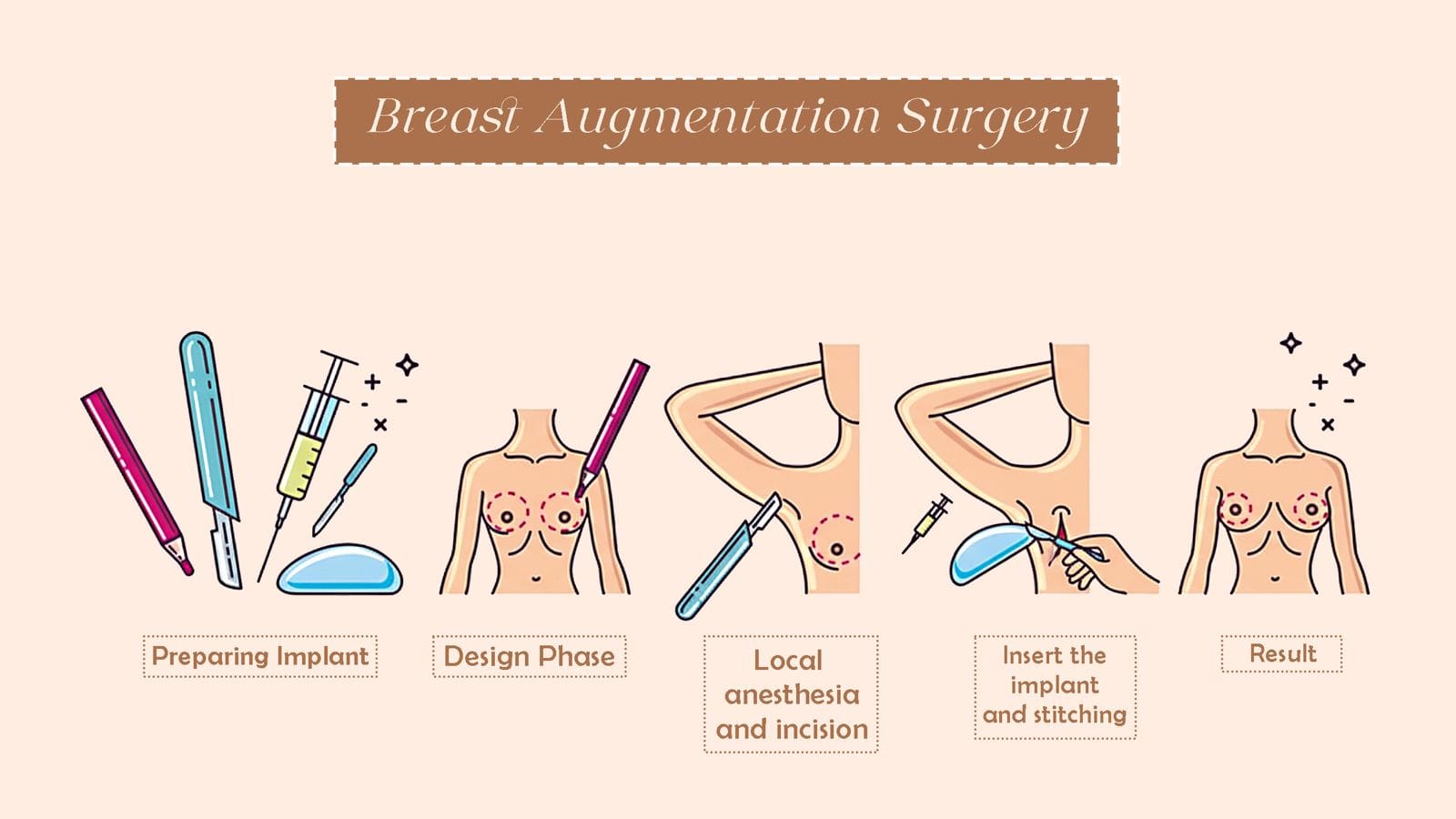
Breast augmentation with implants usually takes about one to two hours, and most patients go home the same day under proper aftercare instructions, provided the surgery is straightforward and not combined with other procedures. Fat transfer augmentation, or a case combined with a lift, can take longer because of the additional liposuction and grafting steps involved. You will need someone to drive you home and stay with you for the first 24 hours, since general anaesthesia and the initial soreness make independent travel unsafe.
Expect soreness, tightness across the chest and some swelling for the first week, most pronounced with submuscular placement since the muscle has been lifted. Most patients are back to desk work within five to seven days and can drive once they are off strong pain medication and can move comfortably. A supportive surgical bra is worn continuously for four to six weeks. Strenuous exercise, particularly anything working the chest or upper body, is held off for four to six weeks, and the implants continue to settle into a softer, more natural position over three to six months.
Most patients can breastfeed after augmentation, particularly when the incision is placed in the fold under the breast or around the areola in a way that avoids cutting through milk ducts and major nerves. The technique and incision placement are planned with this in mind if you tell us you may want to breastfeed in future. That said, no surgeon can guarantee breastfeeding ability with certainty, since some natural variation and risk exists with any breast surgery, so this is a conversation worth having openly at consultation rather than assuming either way.
They are not lifetime devices, though many last well beyond a decade. The usual reasons for later surgery are rupture, capsular contracture, or simply wanting a different size. Because silicone rupture is often silent, we recommend an MRI or high-resolution ultrasound from around five to six years, repeated every two to three years. Most major implant brands also carry a manufacturer warranty covering rupture, and we will tell you exactly what yours covers and for how long. Planning for a possible revision in fifteen or twenty years is realistic, not pessimistic.
Most patients describe the first two to three days as tight and sore rather than sharply painful, especially with submuscular placement where the muscle has been stretched to create the pocket. This is well controlled with prescribed pain medication, and discomfort eases noticeably by the end of the first week. Subglandular placement and fat transfer augmentation tend to be less uncomfortable in the first few days since the muscle is undisturbed.
For patients whose main concern is genuinely small or asymmetric breasts, or lost volume after pregnancy, augmentation gives a permanent change that nothing non-surgical can match. What you are accepting in return is a visible scar in a discreet location, a few weeks of restricted activity, and the long-term reality that implants may need attention decades from now. Patients who came in with a specific, realistic goal are typically very satisfied; we would rather talk through vague or very high expectations before booking than after.
The recognised ones are rupture, capsular contracture where scar tissue tightens around the implant, and changes in nipple sensation. Silicone rupture is often silent, so imaging is recommended periodically, an MRI or high-resolution ultrasound starting around five to six years after surgery and every two to three years after that. There is also a rare condition called BIA-ALCL, a lymphoma that can develop in the capsule around an implant. Estimates put the lifetime risk between roughly 1 in 2,200 and 1 in 86,000 with textured implants, and no confirmed case has involved smooth implants alone. It usually appears years later as sudden swelling of one breast and is curable in most patients when caught early. Report any new swelling, lump or asymmetry, however long after surgery.
Most patients sleep on their back, propped up on a couple of pillows, for the first two to three weeks, since lying flat too soon or sleeping on your front or side can put uneven pressure on the healing implant pocket. Your surgical team will tell you when it is safe to return to your normal sleeping position based on how your recovery is progressing.
Useful questions include: Am I better suited to implants, fat transfer, or a combination? What implant type, size and placement do you recommend for my body, and why? Will I need a lift as well? What are the risks specific to my case? What does recovery involve, and when can I return to exercise? Bringing this list to your consultation helps you leave with a clear, personalised surgical plan.
Purely cosmetic breast augmentation is excluded from standard health insurance in India, since it is classed as an elective procedure. Where augmentation is done for reconstructive reasons, such as after mastectomy or to correct a significant congenital asymmetry, insurers may consider part of the claim with proper documentation and pre-authorisation. We can help with the paperwork, but approval always rests with your insurer.
Aesthetics Redefined by Cocoona is now the only Cocoona clinic in Gurugram and Delhi NCR, serving patients across Delhi NCR with dermatologist-led regenerative skin, hair, wellness and plastic surgery treatments on Golf Course Road. The clinic brings together Dr. Kriti Lohia, India's leading American Board Certified Regenerative Medicine Expert in Dermatology, and Dr. Sanjay Parshar, a renowned name in plastic and cosmetic surger , offering patients access to combined dermatological and surgical expertise trusted not only across Gurgaon, Delhi NCR but also across India and overseas.
Contact: Aesthetics Redefined, 3rd Floor, 26/12D, Flat No: A, Golf Course Rd, Sector 28, DLF Phase 1, Gurugram, Haryana
122002.
Landmark: Near Mega Mall.
Disclaimer: The content and videos/ images displayed are for educational and awareness purposes only and not a medical recommendation. The site contains AI generated images also and such images are maked with "AI generated". All patients images/ videos used are actual images/ videos and with specific consent of the patient. Medical Disclaimer