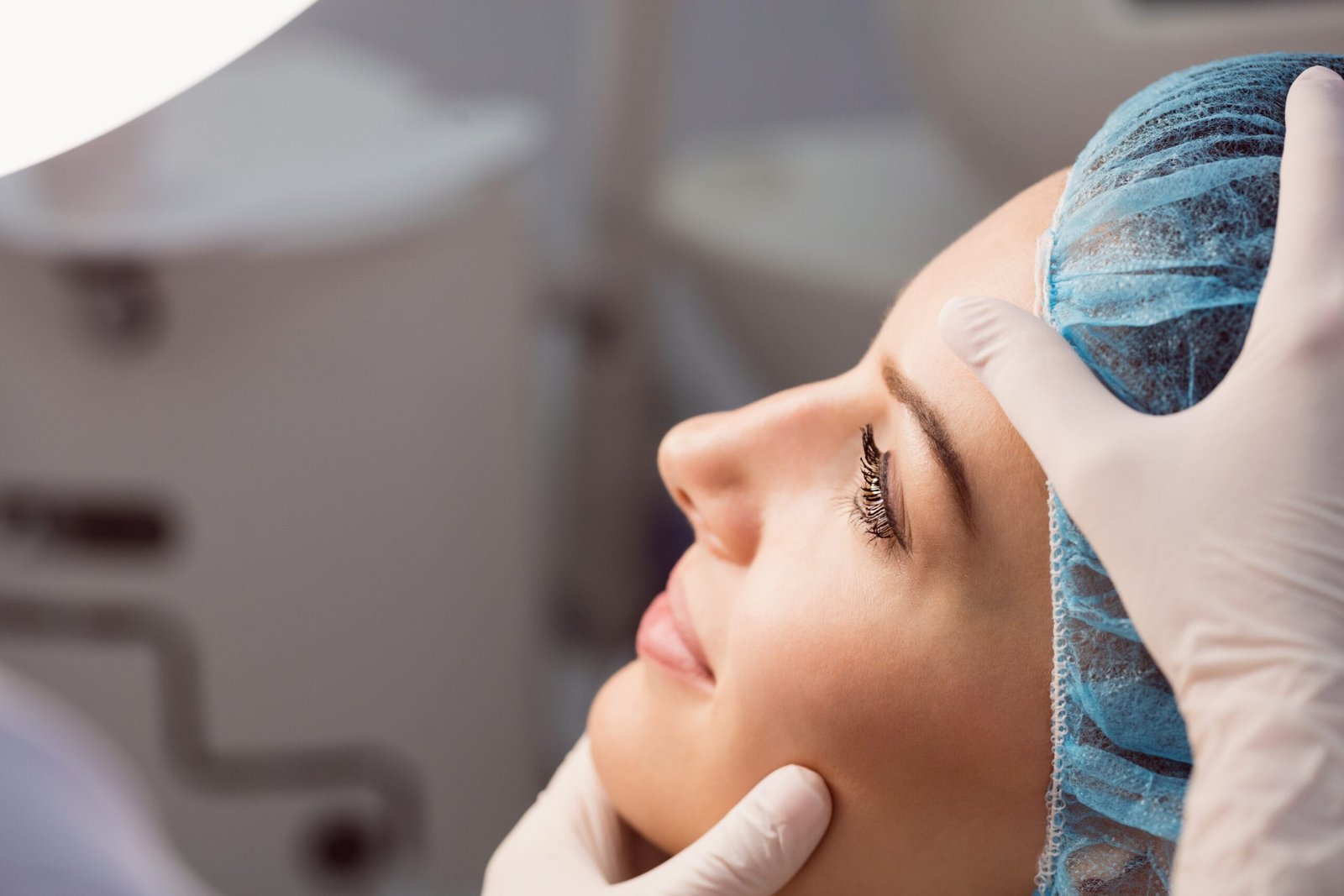
Facelift surgery, also called rhytidectomy, is a cosmetic procedure designed to reduce signs of aging by tightening sagging skin and underlying tissues of the face and neck. This transformative surgery restores a youthful contour, smooths deep creases, and enhances facial symmetry, giving you a refreshed, natural-looking appearance.
Signs of Aging That a Facelift Can Address
A facelift can help if you notice:
| Lowest Industry Price(INR) | Highest Industry Price(INR) | ARD Average Price Range(INR) | Unit |
|---|---|---|---|
| ₹250000 | ₹800000 | Starting ₹4,00,000 | Per Procedure |
You may be a good candidate if:

Key Benefits of Facelift Surgery
Different Types of Facelift Procedures We Offer
Fat Grafting / Fat Transfer: Sometimes incorporated to restore volume lost with aging, particularly in cheeks or under the eyes, enhancing natural results


Dr. Sanjay Parashar is a celebrity consultant plastic surgeon with more than thirty years in aesthetic and reconstructive surgery and a record of over 40,000 surgical procedures. He has practised and trained across India, Bahrain, the United States, Australia and the UAE, and founded Cocoona Centre for Aesthetic Transformation in Dubai. At Aesthetics Redefined by Cocoona in Gurugram, he leads the plastic surgery practice.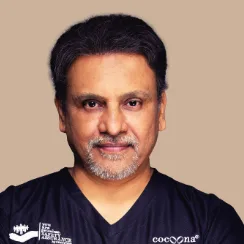
Dr. Sanjay Parashar
Consultant Plastic Surgeon · Co-founder & Plastic Surgery Lead
Dr. Kriti Lohia is a consultant aesthetic dermatologist and dermatosurgeon with more than a decade in practice and over 15,000 aesthetic dermatological procedures performed. She is India's first American Board-Certified Regenerative Medicine Expert in Dermatology, and the first doctor in North India to bring regenerative medicine into routine dermatological and hair practice.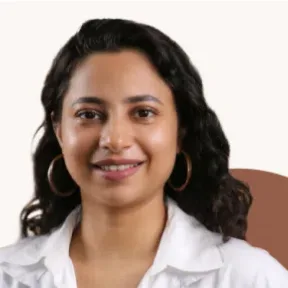
Dr. Kriti Lohia
CEO & Medical Director · Consultant Aesthetic Dermatologist & Dermatosurgeon
With over 25 years of overall medical experience, Dr. Ashutosh Mishra combines global surgical precision with an artistic vision to deliver natural-looking aesthetic outcomes and comprehensive reconstructive transformations.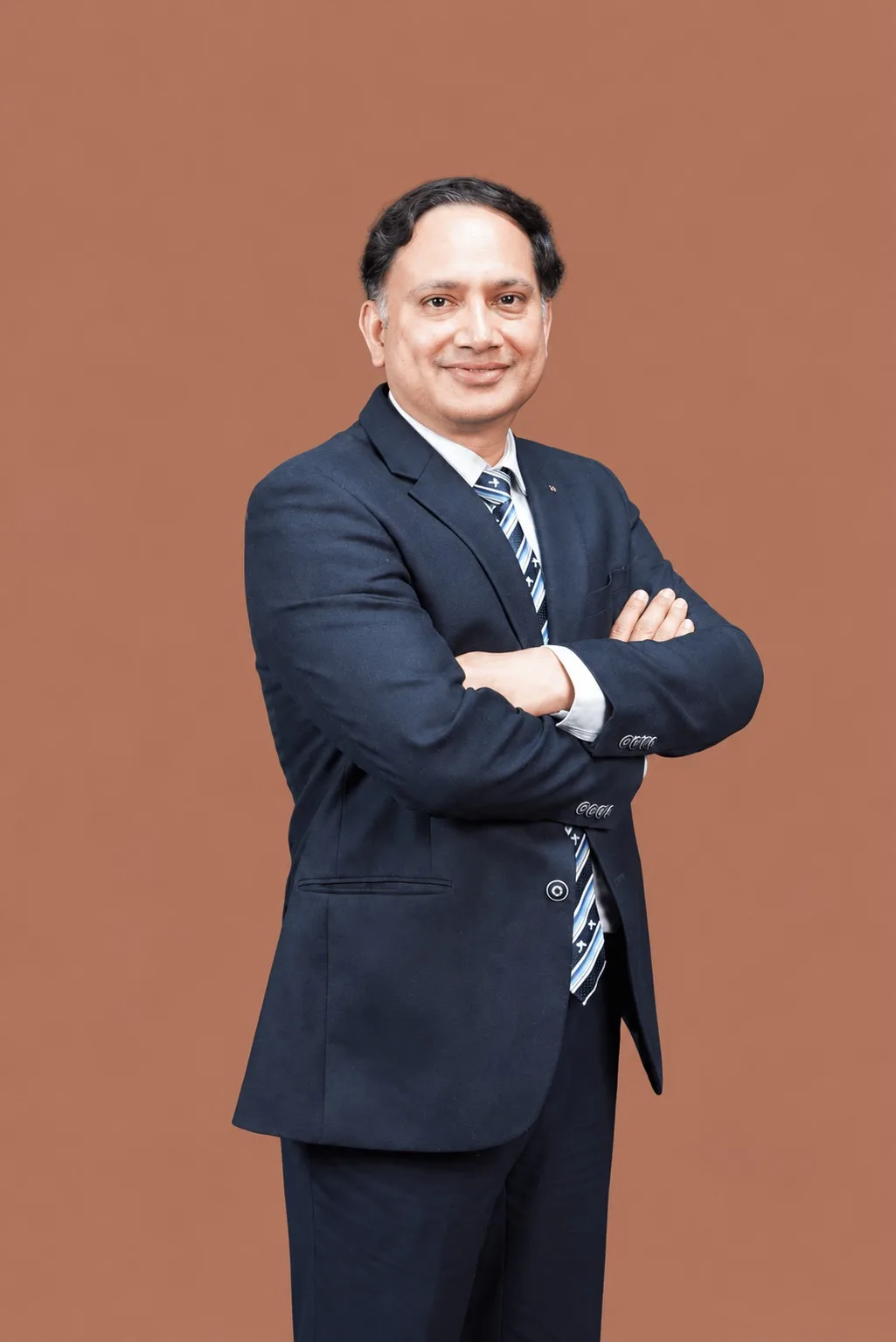
Dr. Ashutosh Mishra
Senior Consultant Plastic, Reconstructive & Cosmetic Surgeon
An AIIMS-trained specialist combining rigorous surgical expertise with an international fellowship foundation to deliver safe, natural-looking, and function-restoring aesthetic outcomes.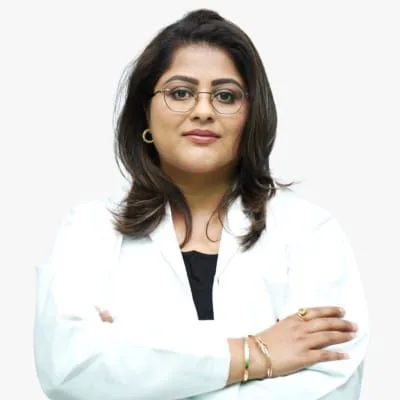
Dr. Sharmistha Bhattacharyya
Senior Consultant Plastic, Reconstructive & Aesthetic Surgeon
Didn’t see the answer to your question? No worries, just write to us! We’re always here to help you breeze through your doubts. Consult Our team of expert skin specialists, certified dermatologists and suregons at our clinic in Gurgaon.
There’s no fixed age for a facelift; it depends on when sagging skin, jowls, or deep wrinkles start affecting your facial contour and confidence. Most patients opt for a facelift anywhere from their 40s to 60s, and with a thorough health evaluation, older adults in good general health can safely undergo the procedure too.
These are two different questions and it helps to separate them. How much is treated: a lower facelift addresses the jowls, jawline and upper neck; a full facelift adds the mid-face and cheeks; a mini facelift is a shorter-scar version for early jowling only, and despite the name it is still surgery with a real recovery. How it is done: SMAS and deep plane describe the layer the surgeon lifts beneath the skin, and either can be applied to a lower or a full facelift. Skin-only lifts are largely obsolete because they relapse. We match both decisions to your anatomy at consultation.
The cost of a facelift depends on the type of procedure (mini, traditional, or SMAS facelift), the extent of correction needed, and whether it’s combined with fat grafting, a neck lift, or eyelid surgery. At our Gurgaon clinic, we provide a personalised quote after your consultation, covering the surgical procedure, anaesthesia, and follow-up care, so pricing reflects your specific surgical plan.
You are likely a surgical candidate if you have real skin laxity, jowling along the jawline, or a slack neck, and you are in good general health with realistic expectations. If the changes are milder, energy-based skin tightening, radiofrequency microneedling, fillers or threads may be enough for now, and our dermatology team can assess that. Two things matter for surgery: we need you not smoking for at least four weeks before and after, because nicotine starves the skin flap and is the biggest single cause of healing problems, and we need your blood pressure well controlled.
Fillers restore lost volume and soften lines but don’t correct sagging skin or a loosened jawline, while a facelift tightens the underlying tissue and removes excess skin for a more structural, long-lasting change. If your main concern is significant skin laxity or jowling rather than just volume loss, surgery is generally the more effective option; our surgeons can advise whether fillers, surgery, or a combination suits your face best.
A thread lift uses dissolvable sutures to reposition tissue without incisions. It suits mild, early laxity, has almost no downtime, and the effect typically lasts somewhere between nine and eighteen months before the threads dissolve. A facelift repositions the deeper layer surgically and lasts many years. If you have established jowls, threads will under-deliver and you will have spent money that would have gone towards surgery. We offer both and we will tell you plainly which side of that line you are on.
Yes, that is exactly what the operation does. Repositioning the deeper layer restores the jawline and removes the loose skin that comes with it. One qualification worth knowing: a facelift lifts, it does not slim. If your neck is heavy with fat under the chin, or your chin sits back, the best result usually needs a neck lift or chin work alongside the facelift rather than the facelift alone. We assess that at consultation so you are not surprised by the recommendation.
Sutures come out between day five and day ten. Most patients are presentable in public at around two to three weeks, once the bruising has gone, and that is when people usually return to work. Swelling settles gradually over two to three months, and the final, softened result is at six to twelve months. Hold strenuous exercise for four to six weeks, since spikes in blood pressure raise the risk of bleeding under the skin. You will wear a light supportive dressing around the face and chin for the first few days.
A deep-layer facelift, SMAS or deep plane, typically holds for around ten years; skin-only lifts relapse far sooner, which is why they are rarely done now. The useful way to think about it is that surgery sets you back roughly a decade and then you age normally from that new starting point, so you should always look younger than you would have without it. Sun protection, stable weight and not smoking make a real difference to how long it holds.
The pulled look comes from a specific mistake: tightening skin alone. Skin is elastic, so it has to be pulled hard to hold a jawline, and that tension distorts the mouth and ears and then relaxes within a year or two. Modern technique lifts the deeper layer beneath the skin and carries the weight there, so the skin is laid back with almost no tension. Done that way the change reads as looking rested rather than altered, and most people are told they look well rather than asked what they have had done.
The specific ones worth knowing. Bleeding under the skin in the first 24 hours, which is why we control your blood pressure tightly around surgery and why it is more common in men and in anyone with hypertension. Temporary weakness in a facial muscle, which affects well under one percent of patients and almost always recovers; permanent weakness is rare, in the order of one in two thousand. Numbness around the ears and cheeks, which is universal at first and settles over weeks to months. Healing problems at the skin edge, which are overwhelmingly a smoker’s complication. We assess your individual risk and go through all of it in writing at consent.
Yes, and it is usually the better plan. Facelift is most often combined with a neck lift, since the two areas age together and lifting the face alone can leave the neck looking out of step. Upper or lower eyelid surgery and fat grafting are the other common additions, in one anaesthetic and one recovery rather than two. Combinations are planned within limits on total operating time and are offered only where your health and pre-operative tests support a longer procedure.
Less than most people expect. The dominant sensation in the first few days is tightness and pressure rather than sharp pain, and simple prescribed painkillers handle it; most patients are off strong medication within three or four days. What catches people out is not pain but numbness: the cheeks, ears and upper neck feel odd or absent for weeks, occasionally months, and small patches near the earlobe can stay slightly numb permanently. It is expected, it is not a complication, and it does not affect how you look.
For patients with true skin laxity, jowls, or a sagging jawline, a facelift addresses the underlying structure in a way that Botox and fillers, which mainly soften lines and add volume, cannot. Many people do start with non-surgical treatments and move to surgery later, so it’s worth discussing your specific signs of ageing with a surgeon before deciding.
Incisions run in the natural crease in front of the ear, around the earlobe and back into the hairline behind, where they settle to fine pale lines. Two things matter more than the incision itself: preserving your hairline and sideburn position, and keeping the earlobe natural rather than pulled, both of which are planning decisions. On Indian and other deeper skin tones, scars commonly darken for the first three to six months before fading over twelve to eighteen, and are more prone to thickening, which is why our dermatology team manages scars alongside surgery with silicone, sun protection and in-clinic treatment where needed.
Both go beneath the skin rather than pulling it. A Superficial Musculo-Aponeurotic System (SMAS) facelift lifts the fibrous layer over the facial muscles and secures it upwards, usually by folding or removing a strip of it. A deep plane facelift releases the ligaments that tether that layer to the deeper face and moves skin and SMAS as one unit, which allows more movement in the mid-face and cheek. Deep plane is not automatically better; it is a longer operation, it suits some anatomies more than others, and a well-executed SMAS lift on the right face outperforms a poorly chosen deep plane. We will explain which we recommend for you and why.
A facelift primarily addresses the lower face, jawline, and neck, so it doesn’t directly correct under-eye bags or hollowing. These concerns are typically treated with blepharoplasty (eyelid surgery) or fat grafting, which are often combined with a facelift for a more complete facial rejuvenation.
Plan two to three weeks before you want to be seen. Most patients work from home from around day ten, return to an office at two to three weeks, and are comfortable at a social event at three to four weeks with makeup. Strenuous exercise waits four to six weeks. If you are booking around a wedding or a work event, allow six weeks rather than three, since swelling is unpredictable and you want margin rather than a deadline.
Yes, and male facelifts are a growing share of this practice. Two things differ. The incision has to be planned around beard-bearing skin so that hair is not carried onto the ear, which is a technical difference rather than a harder operation. And men have a higher rate of bleeding under the skin flap after surgery, so blood pressure control before and after is stricter. The aim in men is a defined jaw and a natural hairline rather than a lifted look.
Look for a clinic led by board-certified plastic surgeons with dedicated surgical facilities, transparent before-and-after results, and personalised consultations rather than one-size-fits-all packages. At Aesthetics Redefined by Cocoona in Gurgaon, facelift surgery is performed by an experienced, board-certified surgical team with a strong track record in facial rejuvenation.
Check the qualification rather than the title. In India a plastic surgeon holds an MCh or DNB in Plastic Surgery on top of a general surgical qualification and is registered with the National Medical Commission or a state council; you can verify that yourself. “Cosmetologist”, “aesthetic physician” and “cosmetic surgeon” are not protected titles and are not equivalent. Facelift is a technically demanding operation, so ask specifically how many the surgeon performs each year, which technique they favour and why, and who looks after you if a complication occurs at 2am.
Worth asking: Which technique and which plane do you recommend for my face, and why that one? Do I need a neck lift or eyelid surgery for the result I want? What are my specific risks given my health and blood pressure? Where is the surgery performed and who administers the anaesthetic? What does the quotation include, and what is not in it? How long before I can be seen in public? And how many facelifts do you perform a year? Bring the list; a good surgeon will welcome it.
Facelift surgery is most commonly combined with other facial procedures, such as a neck lift, eyelid surgery, or fat grafting, rather than unrelated treatments like hair transplants, which are usually planned as separate procedures with their own recovery timelines. If you’re considering multiple treatments, our team can help you sequence them safely for the best overall outcome.
Most patients asking about jowls need both, and it is better to hear that now than at consultation. The face and neck age together, and lifting the jawline while leaving a slack neck usually looks incomplete. If your concern is limited to early jowling with a tight neck, a lower facelift alone can be enough. If you have loose skin under the chin, vertical bands, or fullness beneath the jaw, the neck needs its own work through a small
Yes, and this is not negotiable in the way other advice is. A facelift lifts the skin as a flap that depends on a reduced blood supply while it heals, and nicotine narrows exactly those vessels. Smokers have a much higher rate of skin at the edges failing to heal, which can leave a permanent scar in a visible place. We ask for no cigarettes, vapes, patches or nicotine gum for at least four weeks before and four weeks after surgery, and we will postpone rather than proceed if that has not happened.
That is the aim, and it is a technique question rather than a matter of degree. The altered look comes from pulling skin sideways; repositioning the deeper layer upwards restores where your own tissue used to sit, so the result reads as your face a decade ago rather than a different face. We do not change the shape of your nose, lips or eyes unless you ask for it. At consultation we will show you what lifting your own tissue actually achieves, which is usually less dramatic and more convincing than people expect.
Aesthetics Redefined by Cocoona is now the only Cocoona clinic in Gurugram and Delhi NCR, serving patients across Delhi NCR with dermatologist-led regenerative skin, hair, wellness and plastic surgery treatments on Golf Course Road. The clinic brings together Dr. Kriti Lohia, India's leading American Board Certified Regenerative Medicine Expert in Dermatology, and Dr. Sanjay Parshar, a renowned name in plastic and cosmetic surger , offering patients access to combined dermatological and surgical expertise trusted not only across Gurgaon, Delhi NCR but also across India and overseas.
Contact: Aesthetics Redefined, 3rd Floor, 26/12D, Flat No: A, Golf Course Rd, Sector 28, DLF Phase 1, Gurugram, Haryana
122002.
Landmark: Near Mega Mall.
Disclaimer: The content and videos/ images displayed are for educational and awareness purposes only and not a medical recommendation. The site contains AI generated images also and such images are maked with "AI generated". All patients images/ videos used are actual images/ videos and with specific consent of the patient. Medical Disclaimer