Expert Dermatologist for Golfers in Gurgaon: Advanced Regenerative Repair for Chronic UV Damage
Table of Contents
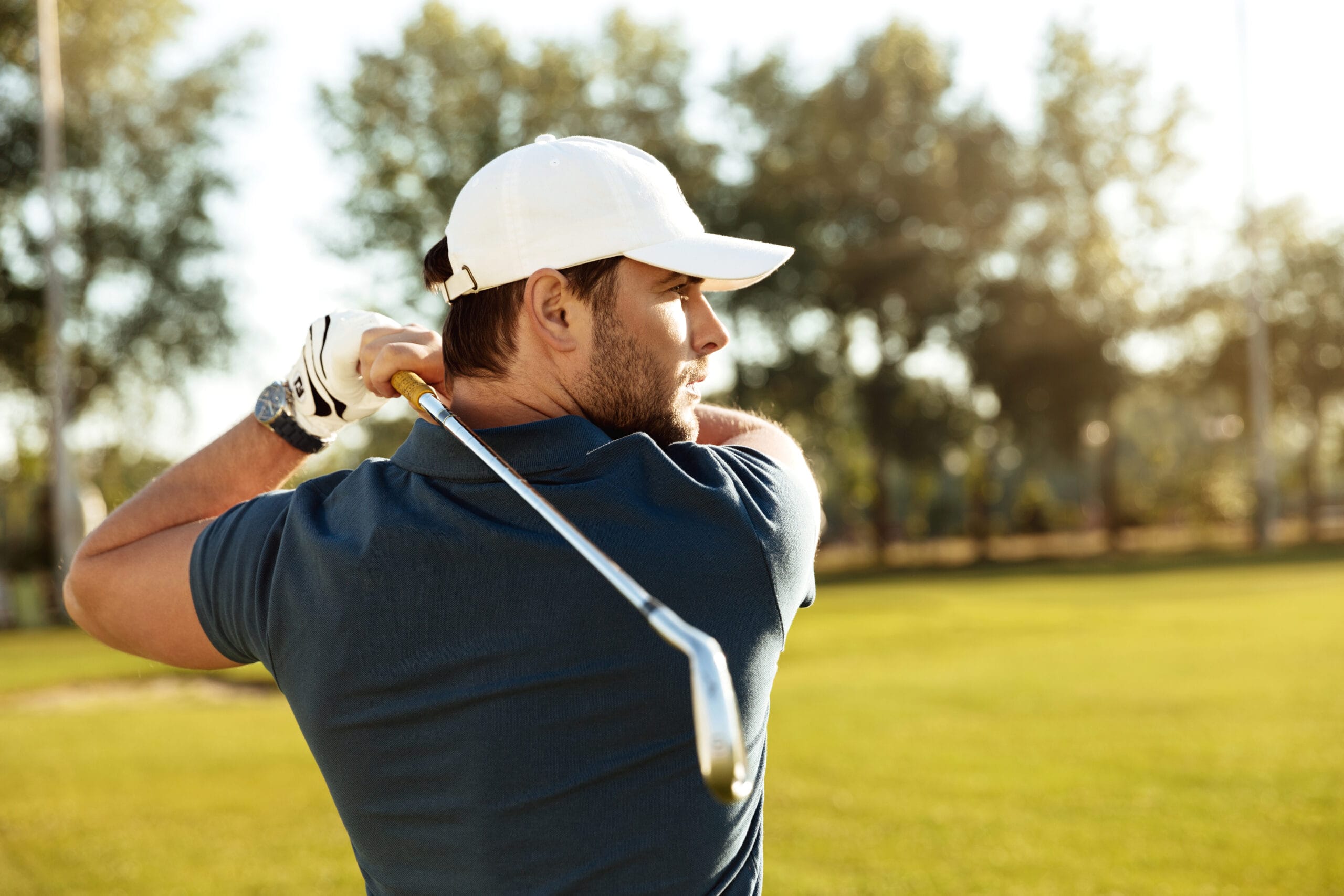
You spend several mornings a week on the fairways around Golf Course Road, and the game is everything. But your skin has been quietly absorbing damage that a once-over with SPF before the first hole cannot fully counter. Chronic UV exposure in Gurgaon does not just tan you. It ages you structurally, breaking down collagen fibres and accelerating melanin deposits deep within the dermis.
Noticing the skin toll of playing golf in Gurgaon? Visit Aesthetics Redefined by Cocoona on Golf Course Road for a specialist skin assessment. Call +91 9560801896 or reach us on WhatsApp to book your consultation today.
Why Gurgaon’s Golf Climate Is Uniquely Harsh on Skin
Marcus Stein, 47, is a managing director at a global firm in DLF Cyber City. He lives in DLF Camellias, plays golf four mornings a week, and assumed his SPF routine was enough. When he came in with deep periorbital lines, persistent pigmentation along his cheekbones, and early hairline thinning on his scalp, what he discovered at Aesthetics Redefined changed his understanding of long-term skin damage entirely.
Gurgaon’s UV index regularly crosses 10 between March and October, classified as very high to extreme. Fairway surfaces reflect UV upward onto the neck and chin, and even early morning rounds accumulate significant cumulative exposure over weeks and months.
Here is a way to put that in perspective. A standard 18-hole round takes between 3.5 and 5 hours on the course. For a Fitzpatrick Type 4 skin, which is the most common skin type across North India, dermatological research suggests a safe unprotected sun threshold of roughly 53 minutes at a UV index of 10. A golfer playing four times a week exceeds that threshold by a factor of four or more in a single session, every session. Across a season, the cumulative UV dose reaches levels that topical SPF alone cannot adequately counter.
Golf fairway surfaces reflect UV radiation back upward, exposing the entire face from the forehead down through the cheeks, chin, and neck to additional indirect UV throughout the round. This reflected UV compounds direct overhead exposure, making the face one of the most heavily dosed surfaces on the body during any outdoor game.
- UV radiation triggers metalloproteinase enzymes that actively break down dermal collagen
- Sweat mixed with sunscreen and dust clogs follicles, causing forehead and perioral breakouts
- Scalp UV exposure without hat protection damages hair follicle stem cells over time
- Repeated squinting deepens crow’s feet and periorbital lines faster than standard indoor aging
- Expats and lighter Fitzpatrick skin types (Types 1 to 3) face a significantly elevated risk of actinic keratosis and skin cancer from Gurgaon’s sun intensity, even though these conditions remain rare in the Indian population overall. Regular dermatologist-led skin checks are essential for this group.
Common Skin Concerns in Golfers: Quick Reference
| Skin Concern | Clinical Cause | Recommended Treatment |
| Deep pigmentation and tanning | Repeated UV-induced melanogenesis | Chemical peels, GFC skin boosters |
| Photoaging (lines, laxity) | Collagen breakdown from UV radiation | PRP with exosomes, microneedling |
| Actinic keratosis (rough patches) | Pre-cancerous UV-damaged keratinocytes | Dermatologist assessment, laser ablation |
| Periorbital darkening and lines | Chronic sun exposure and squinting | Tear trough fillers, depigmentation |
| Scalp thinning and hair fall | UV damage to follicle stem cells | GFC or PRP hair restoration |
What Advanced Regenerative Repair Involves
PRP with Exosomes: Your own platelet-derived growth factors, including VEGF and PDGF, reactivate fibroblasts to rebuild collagen lost to UV damage. Exosomes amplify this signal substantially, improving skin density, tone, and elasticity faster than standard PRP alone. This is the most effective structural repair available for moderate to advanced photoaging.
GFC Skin Boosters: GFC works by filtering your blood sample down to only the proteins that drive tissue repair, leaving behind cellular components that play no role in skin regeneration. Injected into photodamaged skin on the face, neck, and hands, it delivers a targeted repair signal exactly where chronic sun exposure has done the most damage.
Chemical Peels and Q-Switched (QSW) Laser for Pigmentation: Controlled TCA or mandelic acid peels remove UV-damaged surface keratinocytes, reducing the uneven tone and dullness that accumulate across years of outdoor play. For fair-skinned expat golfers, a properly timed peel series delivers visible brightening within three to four sessions. . QSW laser targets deeper melanin deposits with precision, making it particularly effective for persistent pigmentation that peels alone cannot fully address. For fair-skinned expat golfers, a combined peel and QSW laser protocol often delivers the most visible brightening.
Sessions and Recovery for Golfers
- PRP with exosomes: 3 to 4 sessions, spaced 3 to 4 weeks apart. Visible texture and tone improvement from session two.
- GFC skin boosters: 3 sessions over 6 to 8 weeks. Luminosity and hydration improve measurably between sessions.
- Chemical peel series: 2 to 4 sessions. Post-peel shedding resolves within 5 to 7 days.
- QSW laser for pigmentation: 3 to 5 sessions depending on melanin depth. Downtime is minimal.
Dr. Kriti Lohia, India’s leading American Board Certified Regenerative Medicine Expert in Dermatology, designs every protocol around your Fitzpatrick phototype, cumulative sun history, and lifestyle demands, not a one-size approach.
Ready to repair the cumulative UV damage from your time on the course? Visit Aesthetics Redefined by Cocoona on Golf Course Road. Call +91 9560801896 or connect on WhatsApp to schedule your regenerative skin consultation today.
The sport does not have to cost you your skin. With the right regenerative protocol and a dermatologist who understands Gurgaon’s climate demands, you can keep playing and look the part doing it.
People Also Ask
Does sunscreen alone protect golfers from long-term skin damage?
Topical sunscreen reduces acute UV damage but has a limited role for active golfers who are outdoors for 3 to 5 hours at a stretch. Reapplication is often missed mid-round, sweat degrades the film faster than most people realise, and no topical product fully neutralises cumulative UV at index levels above 10. For golfers, oral photoprotection, such as Polypodium leucotomos extract or oral antioxidant supplements, provides an additional systemic layer of protection that topical SPF alone cannot. Combining topical SPF, oral sun protection, and periodic regenerative treatments gives far more complete long-term defence against photoaging and skin cancer risk. IV sunscreen or IV glutathione in the long run also helps to keep the skin pigmentation in control
Can UV damage from golf increase skin cancer risk?
Yes. Chronic unprotected UV exposure raises the risk of actinic keratosis, a pre-cancerous lesion, and over decades increases the likelihood of squamous and basal cell carcinoma on areas like the face, ears, scalp, and hands. A dermatologist-led skin check alongside any cosmetic consultation matters for regular golfers.


