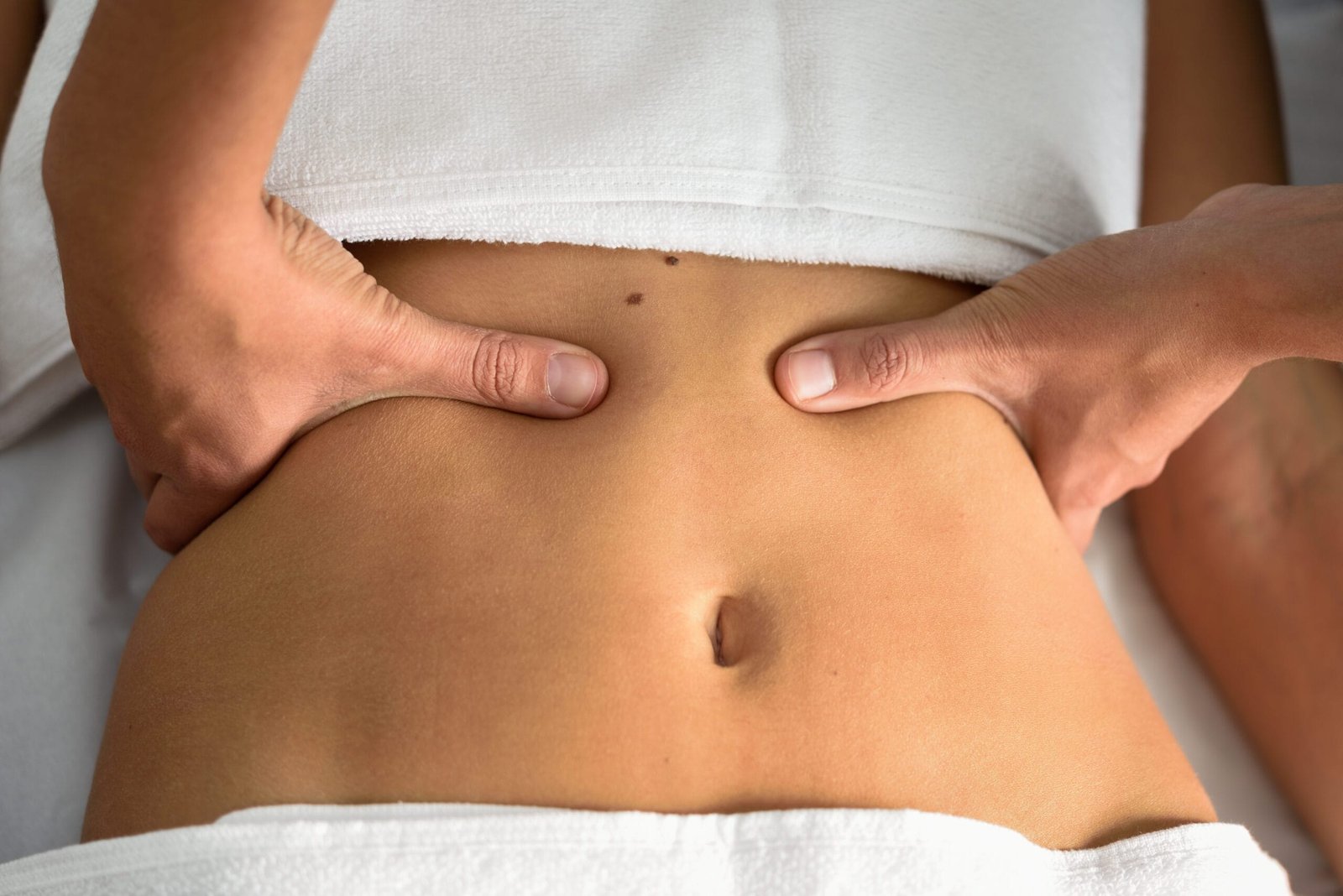
Lymphatic Drainage After Surgery in Gurgaon: Why Your Recovery Timeline Depends on It
Table of Contents
Rhea Malhotra is 38, runs a boutique clothing label near Uniworld City on Sohna Road, and underwent liposuction three weeks ago to address stubborn abdominal fullness that diet and Pilates had never fully resolved. Her surgeon cleared the procedure as a clean success, but the swelling (oedema) around her waist was lasting far longer than the photos she had seen online had prepared her for.
Lingering swelling after surgery is normal — and how quickly it clears often depends on supporting your lymphatic system. Aesthetics Redefined by Cocoona on Golf Course Road, Gurgaon, is led by its founders — Dr Kriti Lohia, Founder & Medical Director and American Board Certified Regenerative Medicine Expert in Dermatology, and Dr Sanjay Parashar, Co-Founder of Aesthetics Redefined by Cocoona and Founder & Chairman of Cocoona Centre for Aesthetic Transformation.
Why Swelling Lingers Longer Than Most Patients Expect
Any surgical procedure — liposuction, a tummy tuck, facelift or reconstructive surgery — disrupts the lymphatic vessels running through the treated tissue. Your body needs those vessels working to clear the inflammatory fluid and debris that surgery naturally generates. When they are temporarily damaged or compressed by post-operative swelling, fluid accumulates faster than it drains, stretching the visible recovery timeline well beyond what patients expect.
What RF-Assisted Lymphatic Drainage Does During Recovery
At Aesthetics Redefined by Cocoona, post-surgical lymphatic drainage uses a radiofrequency device delivering gentle, controlled warmth into the layer just under the skin (subdermal layer) around your surgical site. This stimulates the lymphatic vessels to contract — essentially restarting the drainage your body has slowed while healing. Sessions are planned carefully around your incisions, starting away from the surgical area and gradually working closer as your healing stage allows.
Which Surgical Procedures Benefit Most
· Liposuction and body contouring, where fluid pooling is common in the treated zone
· Tummy tuck recovery, particularly around the abdominal wall and flanks
· Facelift and neck-lift procedures, where facial swelling delays how soon results show
· Reconstructive procedures following trauma or reconstructive breast surgery
· Any procedure where prolonged bruising or firmness is slowing your return to normal activity
Recovery Support by Procedure Type
| Procedure | Typical swelling without support | How RF drainage helps |
| Liposuction | 4–6 weeks | Speeds fluid clearance, softens firmness sooner |
| Tummy tuck | 6–8 weeks | Reduces abdominal-wall swelling, supports scar softening |
| Facelift / neck lift | 3–4 weeks | Clears facial swelling, results visible earlier |
| Reconstructive surgery | Case-dependent | Supports tissue recovery around the surgical zone |
When to Start and How Many Sessions You Need
Timing depends entirely on your surgeon’s clearance and how your incisions are healing. As a general guide, sessions typically begin 10–14 days after surgery once your surgeon confirms the area is stable, with a course of 6–8 sessions spaced every few days through the most active healing window. Patients from Sohna Road, South City and Golf Course Road who begin within this window often notice visibly reduced firmness by around session four.
Why This Needs Clinical Oversight, Not a Spa Treatment
Post-surgical tissue is not the same as regular skin. Drainage technique has to respect incision sites, suture lines and healing stages that only a clinically trained team can assess — which is precisely why post-surgical drainage should never be treated as a generic wellness add-on. Done wrongly or too early, pressure near a healing site can set recovery back or contribute to hardening of tissue (fibrosis).
The Clinical Judgement Behind Every Recommendation
At Aesthetics Redefined by Cocoona, recovery is a two-doctor effort. Dr Sanjay Parashar, Co-Founder and Founder & Chairman of Cocoona Centre for Aesthetic Transformation, performs and oversees the surgical side, while Dr Kriti Lohia, Founder & Medical Director and American Board Certified Regenerative Medicine Expert in Dermatology, oversees tissue recovery and scar management — coordinating drainage sessions so they support, rather than interfere with, your specific healing stage.
Surgery gets you to the starting line of your new result. Proper lymphatic support is often what gets you there on the timeline you were actually promised.
People Also Ask
How soon after surgery can I start lymphatic drainage in Gurgaon?
Most surgeons clear patients for RF-assisted lymphatic drainage 10–14 days after surgery, once incisions have closed and initial healing is stable. Your specific timeline should always be confirmed with your operating surgeon first.
Can lymphatic drainage reduce the risk of fibrosis after liposuction?
Yes. Regular drainage during the early healing window helps stop fluid hardening into fibrous tissue (fibrosis) — one of the more common problems when post-operative swelling is left unmanaged for too long.
Is post-surgical lymphatic drainage painful?
No. It uses gentle warmth and light technique, deliberately kept comfortable around healing tissue. Sessions start away from the incision and move closer only as your healing allows.
How much does a post-surgical drainage course cost in Gurgaon?
It depends on the number of sessions your recovery needs, confirmed after assessment. Because this is a medical, surgeon-coordinated treatment — not a spa massage — judge it by the clinical oversight included, not the lowest price.


