Chemical Peels for Acne Scars: Pros, Cons & What to Know Before Booking
Table of Contents
Your wedding photographer just sent the engagement shoot previews, and instead of feeling excited, you’re zooming into every close-up, analyzing the textured patches on your jawline. This bride-to-be from Ardee City had been researching treatments for months, overwhelmed by conflicting advice from beauty forums promising miracle results.
Chemical peels keep appearing in your search results, but are they actually effective for acne scars? This guide cuts through the confusion, explaining exactly what chemical peels can and cannot do for your specific scar type.
Confused about whether chemical peels will help your acne scars? Reach Aesthetics Redefined by Cocoona on Golf Course Road via WhatsApp or call us at +91 9560801896. Discover which treatment truly matches your scar pattern.
What Are Chemical Peels for Acne Scars?
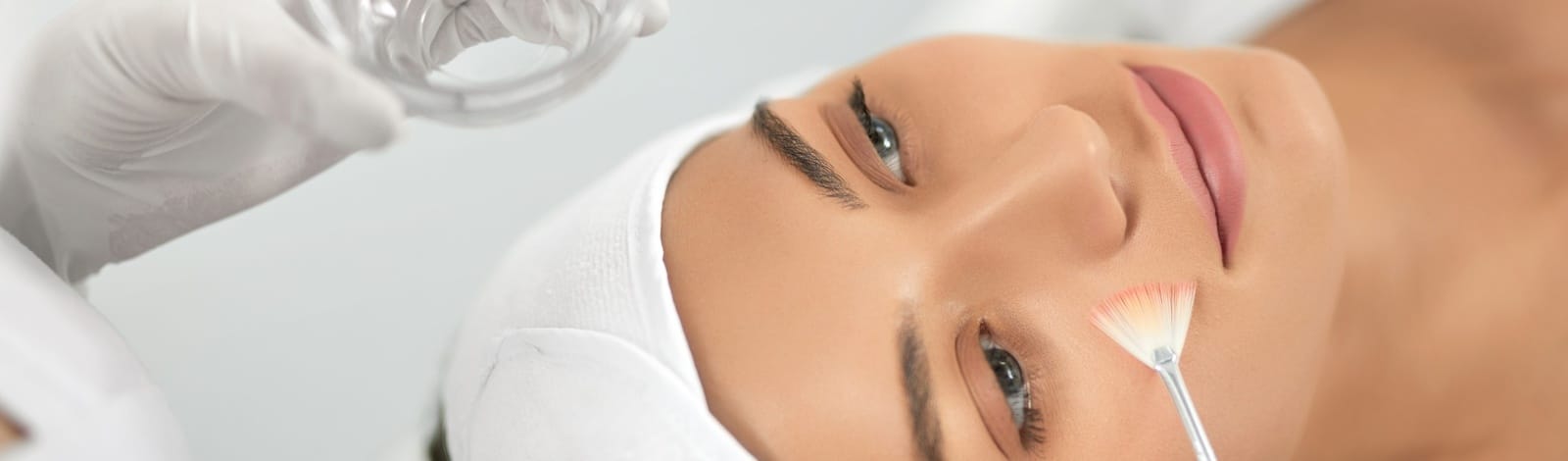
Chemical peels apply controlled fruit enzymes to remove damaged outer skin layers, triggering your body’s natural healing response. As old skin sheds, fresh tissue emerges with improved texture and tone.
Here’s the critical truth: chemical peels work brilliantly for certain scar types while barely touching others. Peels excel at treating macular scars—those flat, discolored marks left behind after acne heals. They also improve mild rolling scars by stimulating collagen production. However, deep ice-pick or boxcar scars need more aggressive interventions.
Types of Chemical Peels Used for Acne Scar Treatment
Light Peels (AHA/BHA)
Glycolic acid and salicylic acid peels work on the skin’s uppermost layer. These gentle options brighten post-acne pigmentation and smooth minor texture irregularities. Perfect for busy professionals around MG Road who need zero downtime. Light peels require monthly sessions for gradual improvement.
Medium Peels (TCA)
Trichloroacetic acid penetrates deeper, making it the workhorse for acne scar treatment. TCA peels reach middle skin layers where mild to moderate scarring resides. They significantly improve macular scars and shallow rolling scars through collagen remodeling. Expect three to five days of visible peeling. Many patients in Sohna Road appreciate TCA’s balance between effectiveness and manageable recovery.
Deep Peels (Phenol)
Phenol peels penetrate deepest, delivering dramatic results for severe scarring. However, their intensity requires extended downtime and carries higher complication risks. Dr. Kriti Lohia, India’s only American Board Certified Regenerative Medicine Expert in Dermatology, typically reserves deep peels for specific cases after thorough evaluation.
Why Are Chemical Peels Required in Acne Scar Treatment?
Chemical peels serve crucial roles in comprehensive scar management. They prepare skin for advanced procedures by removing damaged surface layers, improving treatment penetration. Peels also maintain results between major interventions. For macular scarring specifically, peels remain among the most effective standalone treatments. Many dermatologists in DLF Phase 4 incorporate peels into combination protocols with subcision or microneedling.
Pros of Chemical Peels for Acne Scars
Chemical peels offer distinct advantages. They’re highly effective for macular scars and mild rolling scars, showing noticeable fading after consistent sessions. Beyond targeting scars, peels brighten complexion, minimize pores, and create smoother texture. They’re non-invasive with predictable recovery, requiring no needles or surgical intervention. Compared to laser treatments, peels provide budget-friendly entry into professional scar treatment.
Ice-pick and deep boxcar scars won’t improve significantly with peels alone. Most patients need four to six treatments spaced monthly for visible results. Redness, peeling, sensitivity, and occasional hyperpigmentation can occur, especially in darker skin tones. Peels work on scarring, not ongoing breakouts, so your acne must be controlled first.
Chemical Peels vs Other Scar Treatments (Laser, MNRF, Subcision)
Chemical Peels are combined with Q – switched laser to work on reducing the black brown or red macular scars. Chemical peels excel for surface-level concerns—macular scars and mild texture issues. Laser resurfacing penetrates deeper, effectively treating moderate boxcar scars with more dramatic results. MNRF combines mechanical and thermal energy to remodel deeper scar tissue. Subcision physically releases tethered rolling scars, providing immediate contour improvement that peels cannot achieve. Smart treatment often combines methods for comprehensive results.
Are You a Good Candidate?
You’re ideal if you have primarily macular scars with flat discoloration rather than deep depressions. Mild rolling scars with gentle contours respond well to medium-depth peels. Realistic expectations matter—understanding peels improve rather than erase scarring prevents disappointment. Poor candidates include those with active infections, recent isotretinoin use, or predominantly deep ice-pick and boxcar scars needing more aggressive intervention.
Pre-Procedure & Aftercare
Preparation begins two weeks before your peel. Stop using retinoids and exfoliating products, avoiding sun exposure. Post-peel care determines your results. Keep skin constantly moisturized using gentle, fragrance-free products. Apply broad-spectrum SPF 50 sunscreen religiously. Avoid picking peeling skin. Skip makeup for 48 hours minimum, and postpone gym sessions for one week.
Cost of Chemical Peels in Gurugram
Light peels range from Rs 2,000 to Rs 4,000 per session, typically needing six to eight treatments. Medium TCA peels cost Rs 4,000 to Rs 8,000 per session, requiring four to six treatments. Complete treatment courses generally range from Rs 16,000 to Rs 48,000 depending on peel depth and scar severity. At Aesthetics Redefined, consultation includes honest cost breakdown without hidden charges.
When to Choose Chemical Peels Over Laser
Select chemical peels when you have primarily macular scarring with minimal depth changes. Peels suit patients wanting gradual improvement with minimal downtime or those with budget constraints. Some skin types tolerate peels better than laser energy. Choose laser treatments when dealing with moderate to deep boxcar scars or when you want faster, more dramatic transformation.
Ready to determine if chemical peels will actually improve your acne scars? Visit Aesthetics Redefined by Cocoona on Golf Course Road for thorough scar analysis. Whether peels, lasers, or combination treatment suits you best, get clarity before committing. Schedule your consultation today.
Chemical peels offer genuine benefits for specific acne scar types, but they’re not universal solutions. Understanding their strengths and limitations, combined with expert guidance, creates the pathway to clearer, more confident skin.