What Is Hair Transplant Surgery?

Hair transplant surgery is a popular and effective solution if you are experiencing hair loss or thinning. The procedure transfers healthy hair follicles from healthy donor areas (usually the back or sides of your scalp) to thinning or bald areas, giving you fuller, natural-looking hair. We customize the surgery according to your hair type, density needs, and aesthetic goals.Common Areas Treated with Hair TransplantYou can restore hair in the following areas:
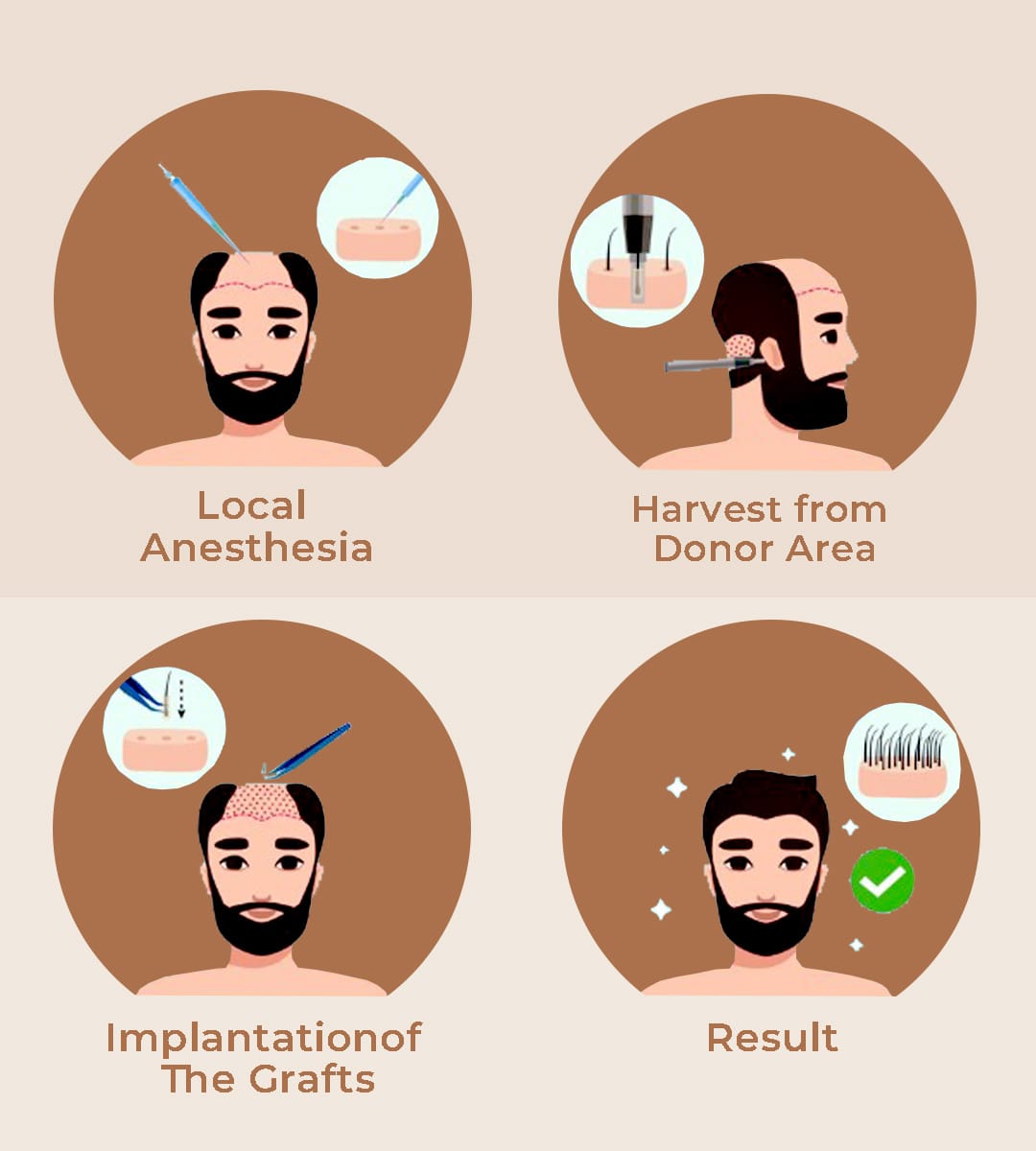
  • Hairline and forehead
  • Crown (vertex), top of your scalp
  • Temples or side of your scalp.
  • Sideburns or beard (for men)
  • Eyebrows or eyelashes (in selective cases)

WHO is it for?

  • If you have male or female pattern baldness
  • If you have are experiencing thinning hair or bald areas due to some injury trauma or medical conditions
  • If you want fast, permanent, natural-looking restoration
  • If you have good donor hair density quality and stable hair loss patterns

BENEFITS

  • Permanent solution: Uses your own stable, healthy hair for natural growth
  • Restore hairline and density: Gives you a fuller, youthful appearance
  • Minimally invasive options: Modern techniques reduce recovery time downtime and scarring
  • Tailored for your needs: Personalized approach for your hair type and facial shape aesthetics

Confidence boost: Improves your self-image and overall appearance

Types of Advanced Hair Transplant Techniques

  • FUT (Follicular Unit Transplantation / Strip Method): A strip of your scalp is removed from the donor area, dividedssected into individual follicular units, and transplanted. Ideal if you need a large area of significant coverage.
  • FUE (Follicular Unit Extraction): Single iIndividual follicles are extracted using a specialized punch tool, leaving minimal dot-like scars. Preferred if you want faster recovery and less visible scarring.
  • DHI (Direct Hair Implantation): Follicles are implanted directly into recipient sites without prior incisions, allowing precise placement.
  • Robotic/Assisted Hair Transplant: Advanced robotics improve precision when harvesting and implanting your follicles.

Combination & Customized Techniques: We create a tailored approach by combining multiple techniques based on your hair type, donor availability, and coverage needs.

Recovery & Aftercare | Risks & Considerations

Recovery & Aftercare

  • You may experience mild discomfort, redness, swelling, or scabbing for a few days post surgery.
  • Avoid touching, scratching, or washing your scalp in the first few days
  • You may rResume normal activities in 2–5 days; it is advisable to start strenuous activity after 2–3 weeks
  • Follow prescribed medications and scalp care
  • Maintain a healthy lifestyle to support hair growth

Risks & Considerations

  • Temporary redness, swelling, or minor pain
  • Risk of infection or scarring
  • Possibility of uneven density or poor hair growth in transplanted areas
  • Results take time; realistic expectations are important
  • Success depends on your donor hair quality, surgical skill, and adherence to aftercare

Related Treatments

Call know