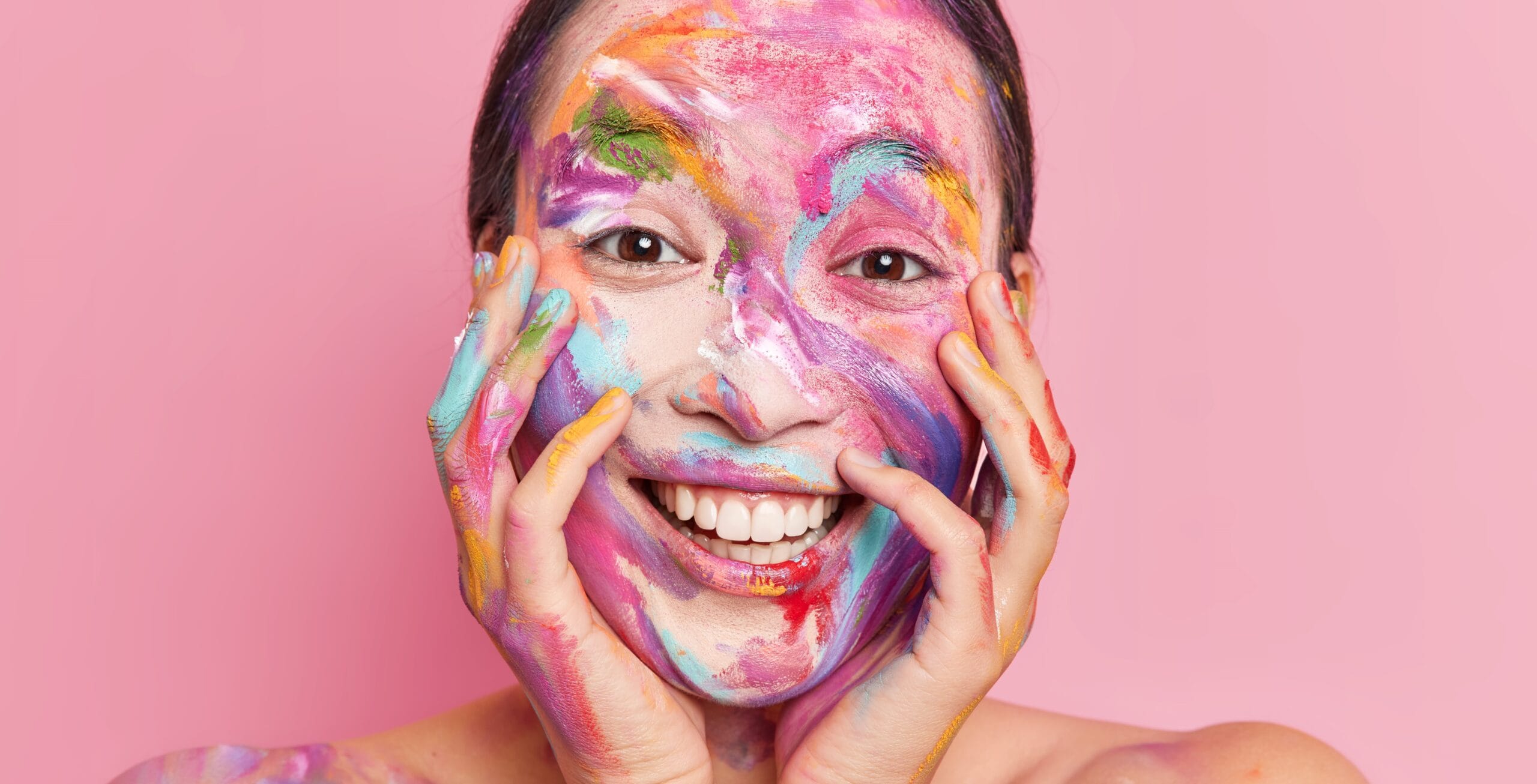
Holi Skin Care Tips by Dermatologist in Gurgaon: Protect Your Skin Before and After Colors
Table of Contents
The colours are out, rooftop parties in DLF Phase 5 and Nirvana Country are being planned, and your playlist is ready. But somewhere between the excitement and the organic gulal packets, a quiet concern sits at the back of your mind: what will those colours actually do to your skin this year?
It is a fair question. Synthetic Holi colours often contain industrial dyes, heavy metals, and alkaline compounds that disrupt your skin’s natural pH and compromise the epidermal barrier. With Gurgaon’s already-challenging combination of hard water in sectors like Ardee City and year-round pollution exposure, your skin needs a little extra thought before and after the festival.
Bothered by colour damage or skin flares after Holi? Visit Aesthetics Redefined by Cocoona on Golf Course Road. Call us on +91 9307 747 262 or reach us on WhatsApp to book your appointment.
Meet Priya: A Gurgaon Story Worth Knowing
Priya Sehgal is 28, a UX designer working out of a studio near Udyog Vihar. She loves Holi but has sensitive, acne-prone skin. Last year, a friend’s rooftop game in Sushant Lok left her with a contact dermatitis flare that took three weeks to settle. This year she came in for a pre-Holi consultation and the difference was significant.
Why Holi Colours Affect Gurgaon Skin Differently
Your skin here faces year-round stressors: PM2.5 particulate exposure, hard water mineral deposits, and air-conditioning cycles. These weaken the stratum corneum, the outermost epidermal layer responsible for barrier protection. When synthetic pigments land on already-compromised skin, inflammation hits harder.
Dry gulal with mica and silica causes micro-abrasions. Wet colours containing sodium hydroxide raise skin pH and disrupt the acid mantle. The result: contact dermatitis, post-inflammatory hyperpigmentation, sudden breakouts, and in sensitive individuals, eye-area swelling.
Pre-Holi Skin Prep: Dermatologist Recommendations
Start 48 hours before the festival. The goal is to reinforce your barrier and create a physical shield.
- Apply broad-spectrum SPF 50 on all exposed skin at least 30 minutes before stepping out.
- Layer a thick emollient or petroleum jelly on your face, neck, and ears to prevent dye penetration.
- Use coconut or almond oil on exposed arms and legs as an additional occlusive barrier.
- Keep lips protected with a petroleum-based balm.
- If you have a contact dermatitis history, ask your dermatologist about a pre-emptive antihistamine.
A pre-Holi hydrating facial also helps strengthen barrier function, particularly for patients from DLF Phase 4 and Sector 56 who deal with ongoing dryness.
Post-Holi Skin Recovery: Step-by-Step Protocol
This is where most people go wrong. Scrubbing colours off forcefully causes far more damage than the colours themselves.
- Begin with an oil-based cleanser or micellar water to dissolve pigments without friction.
- Follow with a gentle, sulphate-free face wash. Two rounds of cleansing beat aggressive scrubbing.
- Apply calming aloe vera gel to reduce inflammation.
- Skip actives like retinol, vitamin C, and AHA or BHA exfoliants for at least 48 to 72 hours.
- Maintain SPF diligently for the full week following Holi.
If staining persists after five days, or you notice redness, swelling, or unusual breakouts, a dermatologist visit saves weeks of guesswork.
Quick Reference: Holi Skin Care Timeline
Use this table to plan your pre and post-Holi skincare protocol at a glance:
| Timing | Action | Why It Matters | Clinical Option |
| 48 hrs Before | Apply SPF 50 + emollient barrier | Strengthens stratum corneum against dye penetration | Pre-Holi hydrating facial |
| Day of Holi | Layer petroleum jelly on face and exposed skin | Occlusive barrier prevents synthetic pigments binding to skin | Not applicable |
| Same Evening | Oil-based cleanser, no scrubbing | Avoids micro-abrasions that trigger hyperpigmentation | Not applicable |
| 24-72 hrs After | Aloe gel; skip all actives (AHA, BHA, retinol) | Compromised barrier reacts badly to exfoliants and acids | Calming medical-grade facial |
| 5+ Days After | Resume full moisturizer and SPF routine | Prevents transepidermal water loss and UV pigmentation | Chemical peel if staining persists |
When to See a Dermatologist After Holi
Persistent redness beyond three days, blistering, or widespread acne are signs that over-the-counter care is not enough. Chemical burns from low-quality alkaline colours need prompt clinical assessment.
Dr. Kriti Lohia, India’s only American Board Certified Regenerative Medicine Expert in Dermatology, leads the team at Aesthetics Redefined. Post-Holi, the clinic sees patients from Golf Course Road, Emaar Palm Springs, and South City for conditions ranging from mild dermatitis to pigmentation flares needing targeted treatment like calming ceramide-rich facials, mild chemical peels, or LED light therapy.
Noticing colour staining, redness, or breakouts after Holi? Come to Aesthetics Redefined by Cocoona on Golf Course Road for a personalized post-Holi skin recovery plan. Call +91 9307 747 262 or connect on WhatsApp to schedule your consultation today.
Frequently Asked Questions
Can I use a scrub to remove Holi colour faster?
Dermatologists advise against physical scrubs within the first 48 hours. Your epidermal barrier is already stressed, and scrubbing worsens inflammation. Use oil-based removal first. Exfoliation can resume after four to five days with a mild enzymatic product.
Is it safe to get a facial immediately after Holi?
Allow three to five days for initial inflammation to settle. After that, a calming medical-grade facial helps remove residual pigmentation and restore barrier function. Avoid steam-heavy or extraction-focused facials in the first week.
Holi is one of the most joyful days on the calendar. With the right preparation and simple post-festival care, your skin does not have to pay the price for a day well celebrated.
How to remove Holi colour from face safely?
Start with an oil-based cleanser or micellar water, not water alone. Colour pigments are often oil-soluble, so plain water spreads them rather than lifting them. Apply the oil cleanser with dry hands onto dry skin, massage gently for 60 seconds, then rinse. Follow with a mild sulphate-free face wash and pat dry. If some staining remains, do not force it on day one. Repeated gentle cleansing over two to three days is far safer than aggressive scrubbing, which triggers post-inflammatory hyperpigmentation and can leave marks that outlast the colour itself.
Can Holi colours cause acne?
Yes, and this is more common than most people realise. Synthetic Holi colours often contain mineral oils, talc, and chemical dyes that are comedogenic, meaning they block pores and disrupt the follicular environment. When these substances remain on skin for hours, they trigger an inflammatory response in sebaceous glands, leading to papules and pustules within 24 to 72 hours of exposure. People with pre-existing acne-prone skin or a compromised barrier are at higher risk. Using a physical barrier like petroleum jelly before playing and thorough but gentle cleansing immediately after significantly reduces this risk.
Best treatment for Holi pigmentation?
Post-Holi pigmentation is typically post-inflammatory hyperpigmentation caused by melanocyte overstimulation following skin irritation or micro-abrasion from colour contact. Mild cases resolve with consistent SPF use and a vitamin C serum introduced after the initial inflammation settles, usually five to seven days post-Holi. For persistent staining or deeper discolouration, a low-strength chemical peel using glycolic or mandelic acid works effectively by accelerating epidermal cell turnover. In stubborn cases, a targeted depigmentation protocol combining topical agents like azelaic acid or niacinamide with light-based treatments may be needed. Self-treating with high-strength actives too early after Holi often worsens pigmentation rather than resolving it.
How long does Holi rash last?
A mild contact dermatitis rash from Holi colours typically resolves within three to five days with basic soothing care: gentle cleansing, aloe vera gel, and avoiding further irritants. A moderate rash with redness, papules, or itching may take seven to ten days to fully settle. If blistering, weeping, or swelling is present, this indicates a stronger allergic contact reaction and warrants a dermatologist consultation within 24 to 48 hours. Antihistamines and a short course of topical corticosteroids may be needed. If a rash persists beyond ten days or spreads beyond the initial area of colour contact, it should be assessed clinically as it may indicate a secondary infection or a deeper immune response.