Top Aftercare Tips to Maintain Results Post Pigmentation Treatment
Table of Contents
Priya from Sushant Lok watched her melasma patches fade beautifully after her second laser session at a local clinic. Two weeks later, they returned darker than before. As a marketing manager juggling client presentations and her toddler’s daycare runs to Sector 54, she’d skipped sunscreen reapplication and hit the gym the very next day.
Sound familiar? You’re definitely not alone in this frustration. Many working professionals across DLF Phase 2 and Cyber City see their pigmentation bounce back because they underestimate aftercare importance. Here’s what most people miss: your treatment success depends equally on what happens inside the clinic and what you do at home afterward.
Concerned about maintaining your pigmentation treatment results? Visit Aesthetics Redefined by Cocoona on Golf Course Road for a personalized aftercare plan designed specifically for Indian skin. Get expert guidance that ensures lasting results.
Why Aftercare Is Crucial for Pigmentation Scar Treatments
Your skin doesn’t magically heal the moment you step out of the treatment room. Understanding what happens beneath the surface helps you protect your investment.
Skin Sensitivity After Lasers and Peels
Laser treatments and chemical peels deliberately create controlled damage to trigger regeneration. Your skin barrier becomes compromised temporarily, making it vulnerable to external aggressors. The top protective layer needs time to rebuild itself properly. During this healing window, your skin behaves differently than usual. It absorbs products faster, reacts more intensely to sun exposure, and produces melanin more readily when irritated.
How Improper Routine Causes Pigmentation to Return
Skipping sun protection even once can undo weeks of progress. Your newly treated skin is hyperactive and ready to produce excess melanin at the slightest provocation. Using harsh products too soon inflames the healing tissue, triggering post-inflammatory hyperpigmentation. This creates a frustrating cycle where treatment meant to reduce darkness actually causes new dark spots.
First 24–48 Hours: Immediate Care
These initial hours determine whether your treatment succeeds or backfires.
Avoid Heat, Sweating, and Sun
Your face will feel warm and sensitive immediately after treatment. Skip that evening workout at the Sector 29 gym. Postpone your friend’s terrace party in South City. Heat dilates blood vessels and increases inflammation, which signals melanocytes to overwork. Even your kitchen’s cooking heat matters during this period.
Gentle Cleansing Steps
Use only lukewarm water for the first two days. Choose a fragrance-free, gentle cleanser recommended by your dermatologist. Ensure your face is dry and clean. Apply the prescribed healing ointment or moisturizer immediately while skin is still slightly damp. This locks in hydration and speeds barrier repair. Epidermal growth factor gels can also be applied during this phase to accelerate skin healing and support the regeneration of the epidermal layer.
Sun Protection: The Non-Negotiable Rule
If you remember only one thing from this entire guide, make it this section.
SPF Types for Indian Skin
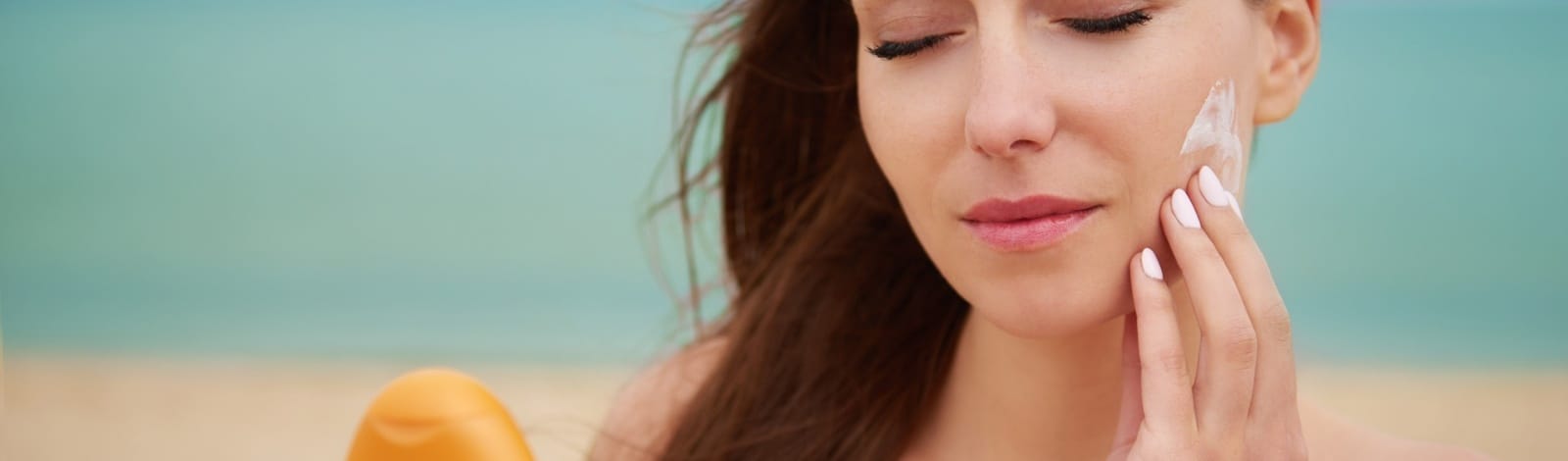
Indian skin produces melanin aggressively when exposed to UV rays, especially after pigmentation treatments. Choose a broad-spectrum sunscreen with SPF 50 or higher that protects against both UVA and UVB rays. Tinted sunscreens provide an added layer of protection and even out your complexion during the healing phase.
Reapplication Schedule
Morning application isn’t enough, regardless of whether you’re working from home in DLF Phase 5 or commuting to Udyog Vihar. Reapply every two hours when outdoors. If you’re indoors near windows, reapply at least twice during the day. Even the drive from Nirvana Country to MG Road exposes you to significant UV radiation through your car windows. Keep a compact sunscreen in your bag, at your desk, and in your car.
Post-Treatment Skincare Routine (1–4 Weeks)
Your skin craves simplicity during this recovery period.
Moisturizers and Barrier Repair
Focus exclusively on hydration and barrier restoration for the first week. Use ceramide-rich moisturizers that rebuild your skin’s protective barrier. zz acid serums help maintain moisture levels without irritation. Dr. Kriti Lohia, India’s only American Board Certified Regenerative Medicine Expert in Dermatology, emphasizes that a strong barrier prevents pigmentation from recurring and speeds healing.
When to Restart Actives
Wait a full two weeks minimum before introducing any active ingredients. Your dermatologist will assess your healing progress and greenlight the reintroduction of vitamin C, niacinamide, or other brightening agents. Retinol should wait even longer, typically four to six weeks post-treatment. Start slowly with actives, using them every third night initially.
What to Avoid After Lasers, Peels, and Microneedling
Certain activities and products can sabotage your results completely.
Scrubs, Retinol, and Active Serums
Physical exfoliants damage your healing skin barrier. Chemical exfoliants like AHAs and BHAs are equally problematic during the first two weeks. Your prescribed retinol needs to stay in the cabinet for at least a month. Even your trusted vitamin C serum should wait for dermatologist approval.
Gym, Steam, and Waxing
Postpone your CrossFit classes and hot yoga sessions for two weeks minimum. The Ambience Mall gym can wait. Steam rooms and saunas are completely off-limits for three weeks. Schedule waxing, threading, or any hair removal procedures at least two weeks before or four weeks after your pigmentation treatment.
When to Expect Results and Follow-Up Sessions
Managing expectations prevents disappointment and premature treatment abandonment.
Why Multiple Sessions Are Normal
Pigmentation didn’t appear overnight, and it won’t disappear instantly either. Most patients need three to six sessions for significant improvement. Each treatment targets different layers of pigmentation. Your skin needs recovery time between sessions to heal properly and respond optimally to the next treatment.
Maintenance Schedule
Visible improvements typically appear three to four weeks after your first session. Maximum results become evident six to eight weeks post-treatment. Schedule maintenance sessions every six months to prevent pigmentation from returning, especially if hormonal factors or sun exposure remain constant in your lifestyle.
Diet and Lifestyle Tips to Prevent Pigmentation Returning
External care means nothing if internal factors keep triggering melanin production.
Sun Exposure
Beyond sunscreen, wear wide-brimmed hats during your morning walks around Ardee City. Seek shade during peak UV hours between 10 AM and 4 PM. Consider UV-protective clothing for extended outdoor activities.
Hormonal Triggers
Pregnancy, PCOS, and thyroid imbalances affect melanin production significantly. Work with your healthcare provider to manage underlying hormonal issues. Birth control pills can worsen pigmentation in some women.
Inflammation Control
Chronic inflammation from poor diet, inadequate sleep, or stress triggers melanocyte activity. Prioritize anti-inflammatory foods like turmeric, green leafy vegetables, and omega-3 fatty acids. Quality sleep helps skin repair itself optimally. Additionally, maintaining proper skin hydration post-procedure is essential, as hydrated skin heals better and recovers more efficiently.
Ready to start your pigmentation treatment journey with confidence? Visit Aesthetics Redefined by Cocoona on Golf Course Road for comprehensive treatment planning and aftercare guidance. Schedule your consultation today and discover how proper care transforms your results.
Pigmentation treatment works when combined with disciplined aftercare. Your commitment to these protocols determines whether dark spots disappear permanently or return within months. Partner with experienced dermatologists who provide clear aftercare instructions and support throughout your healing journey.